MANILA, Philippines — When the Disaster Risk Reduction Network Philippines gathered for its first in-person general assembly in four years, the message from its members was clear: shifting from community-based to community-led disaster risk reduction is no longer just an aspiration—it is a survival strategy.
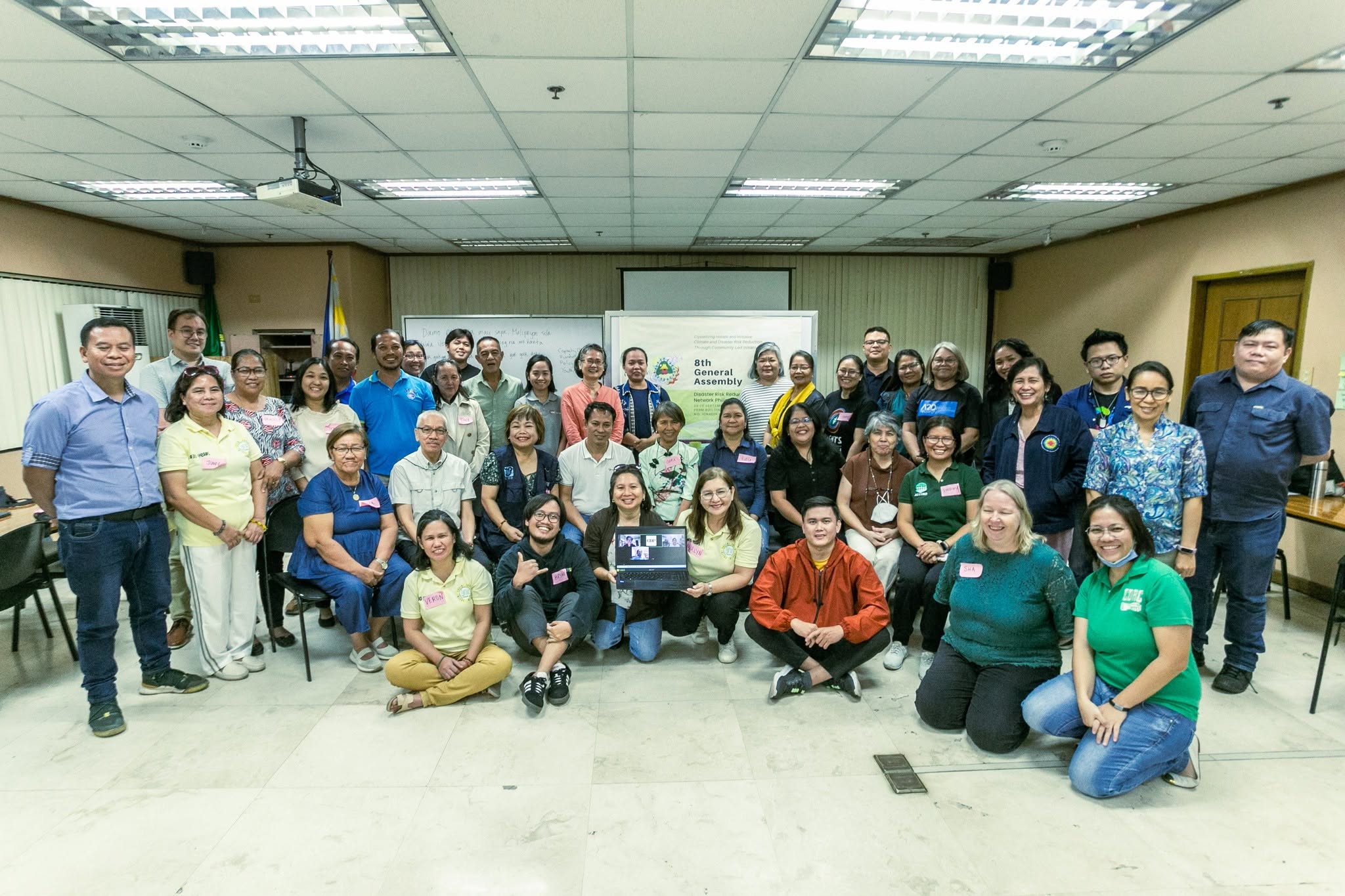
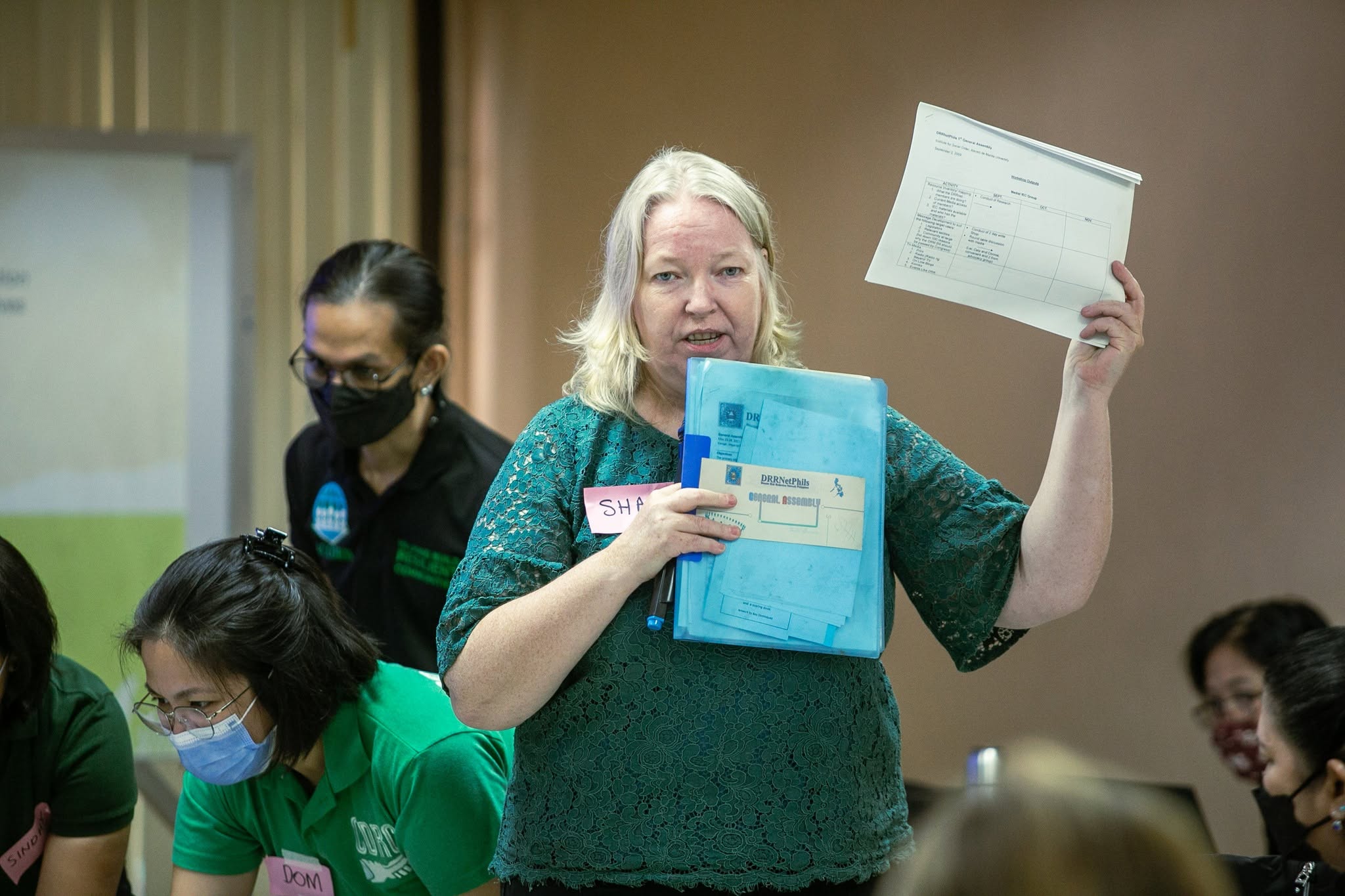
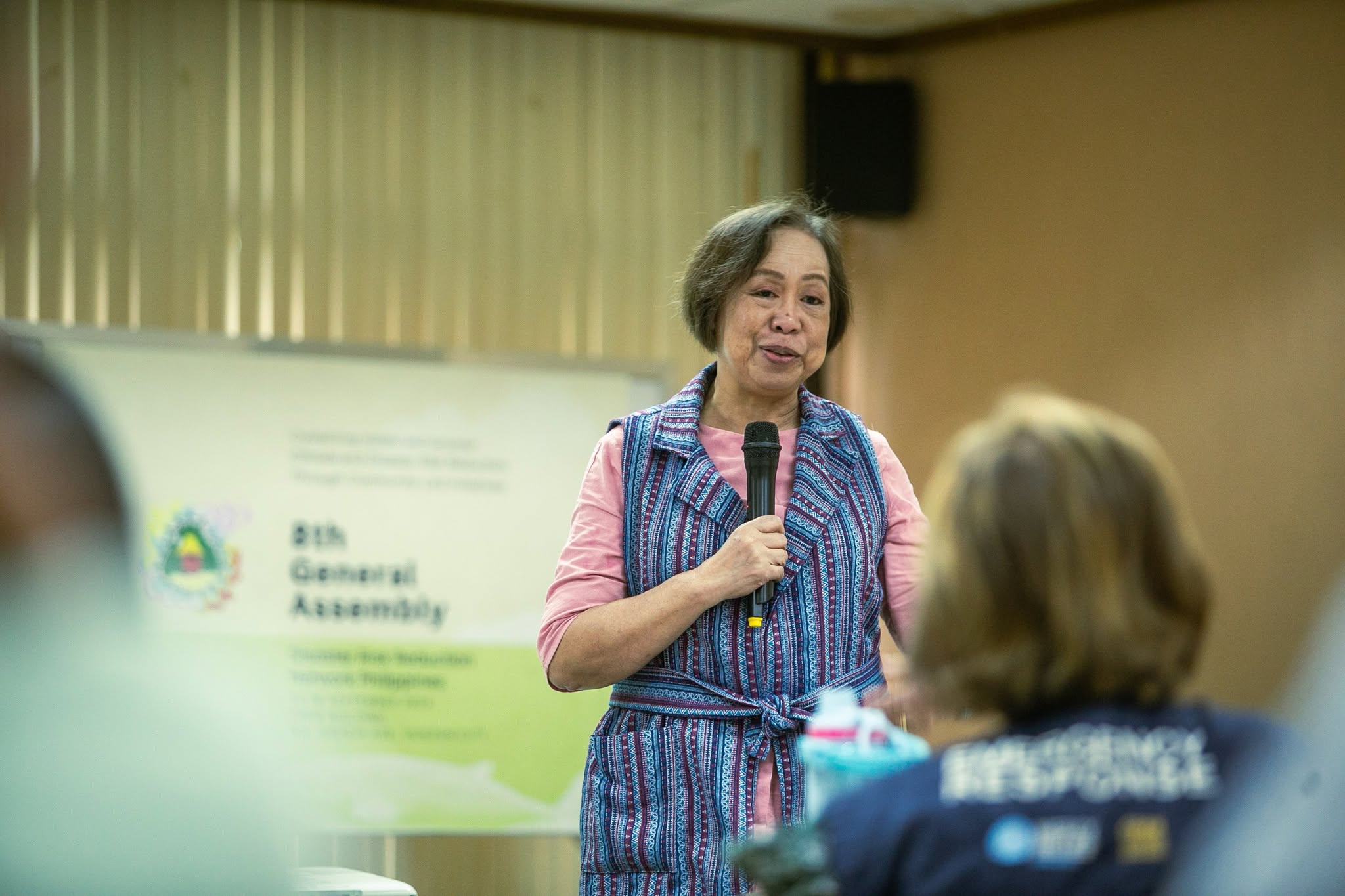
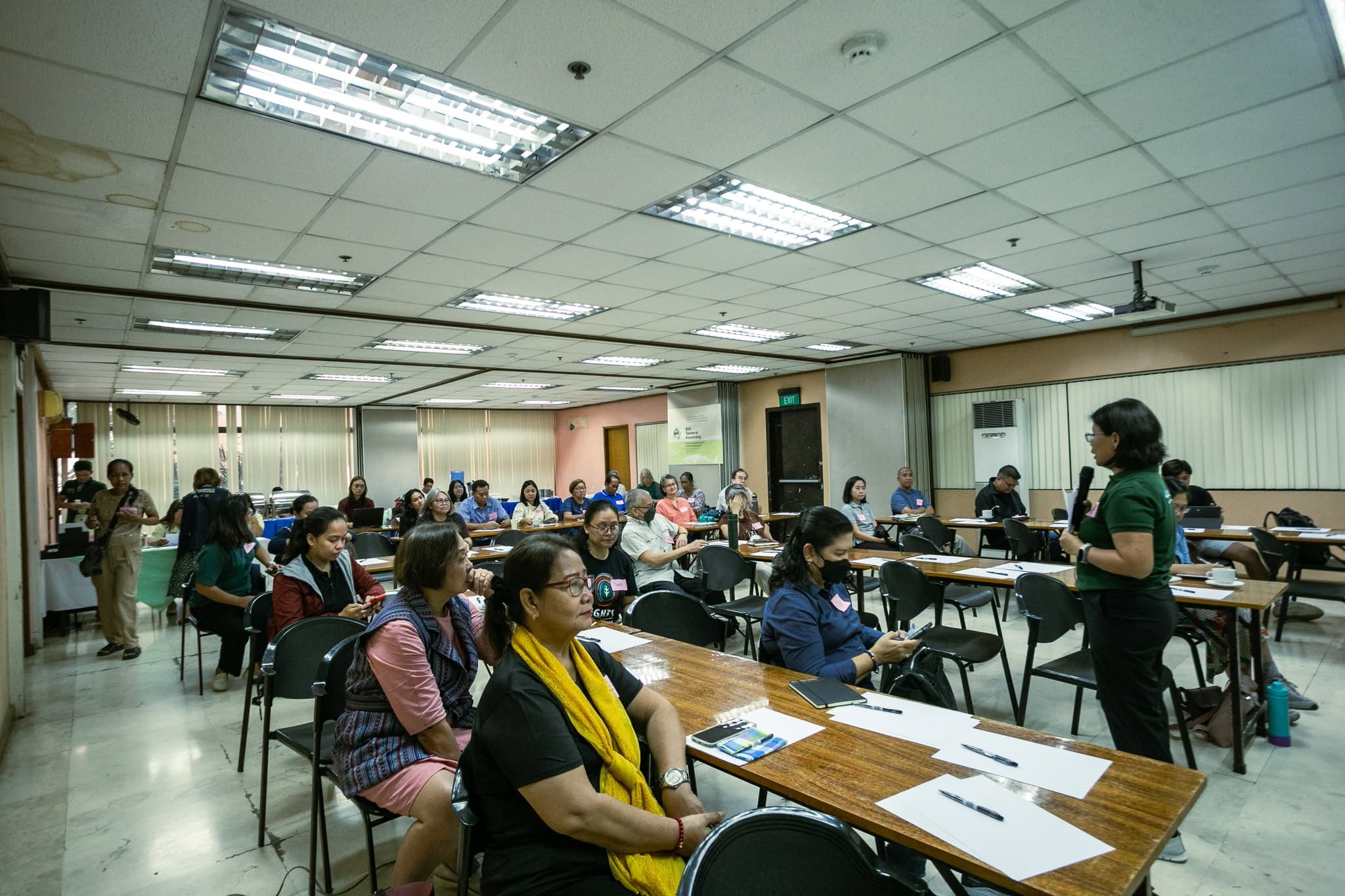
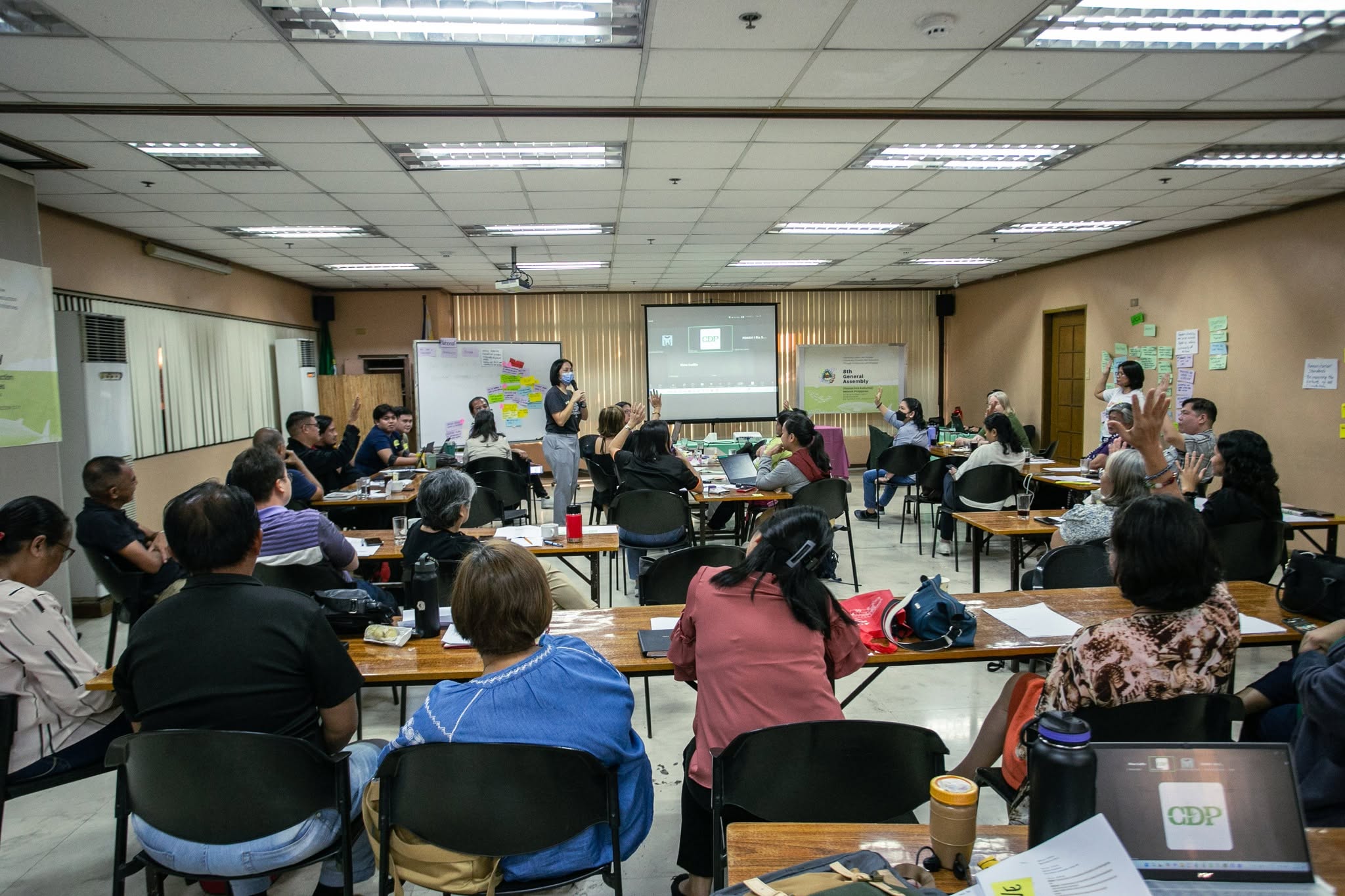
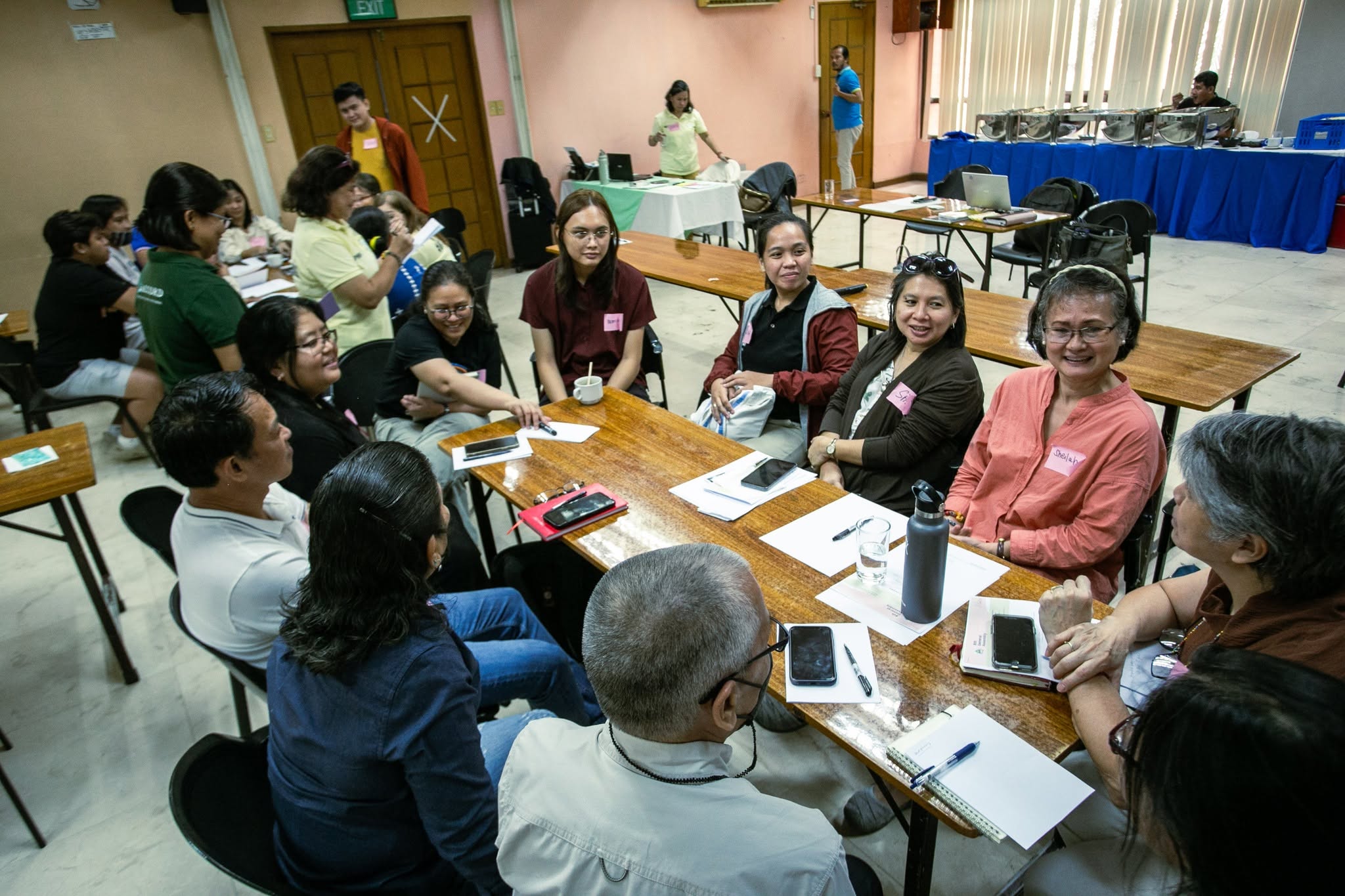
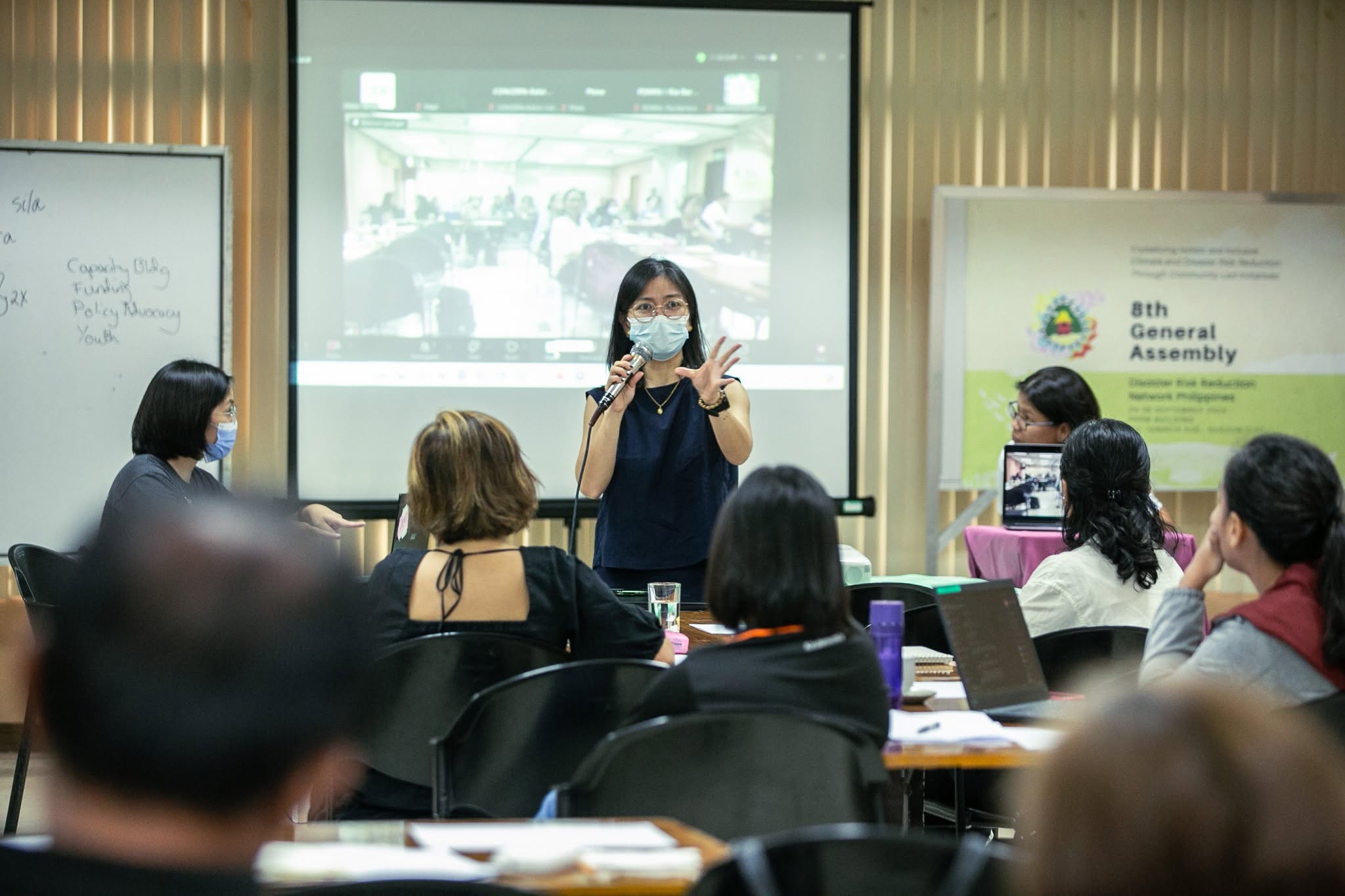
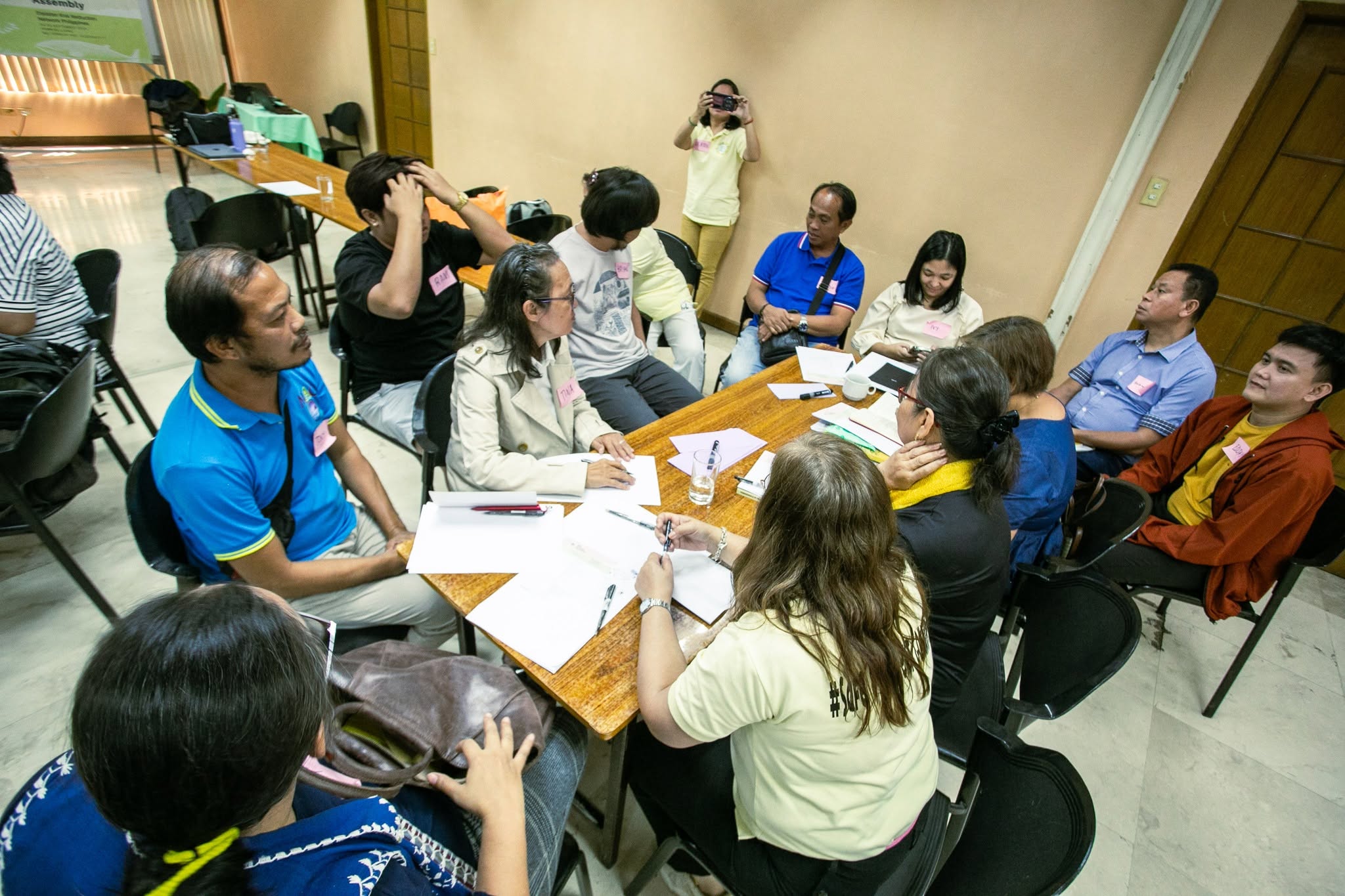
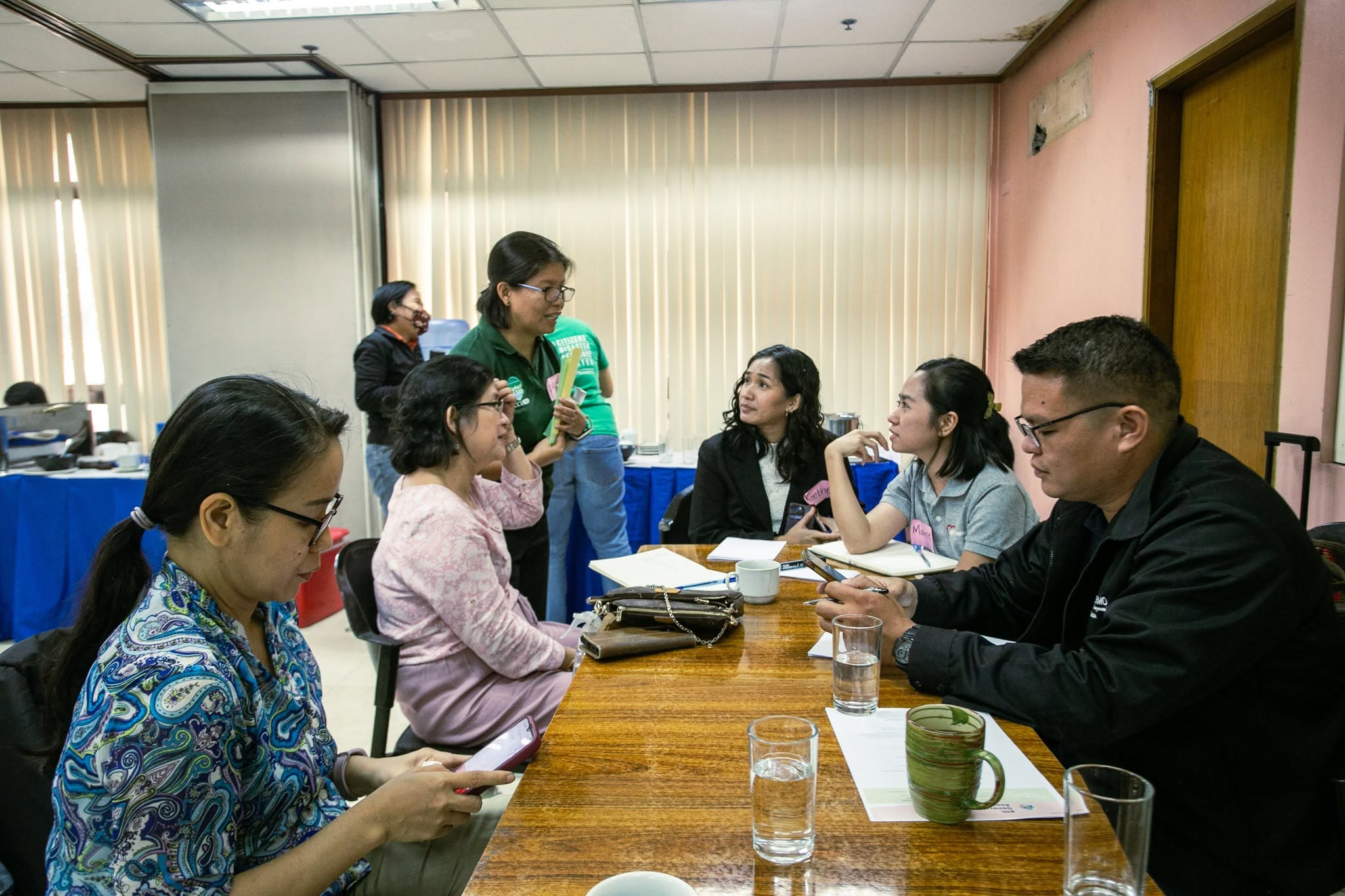
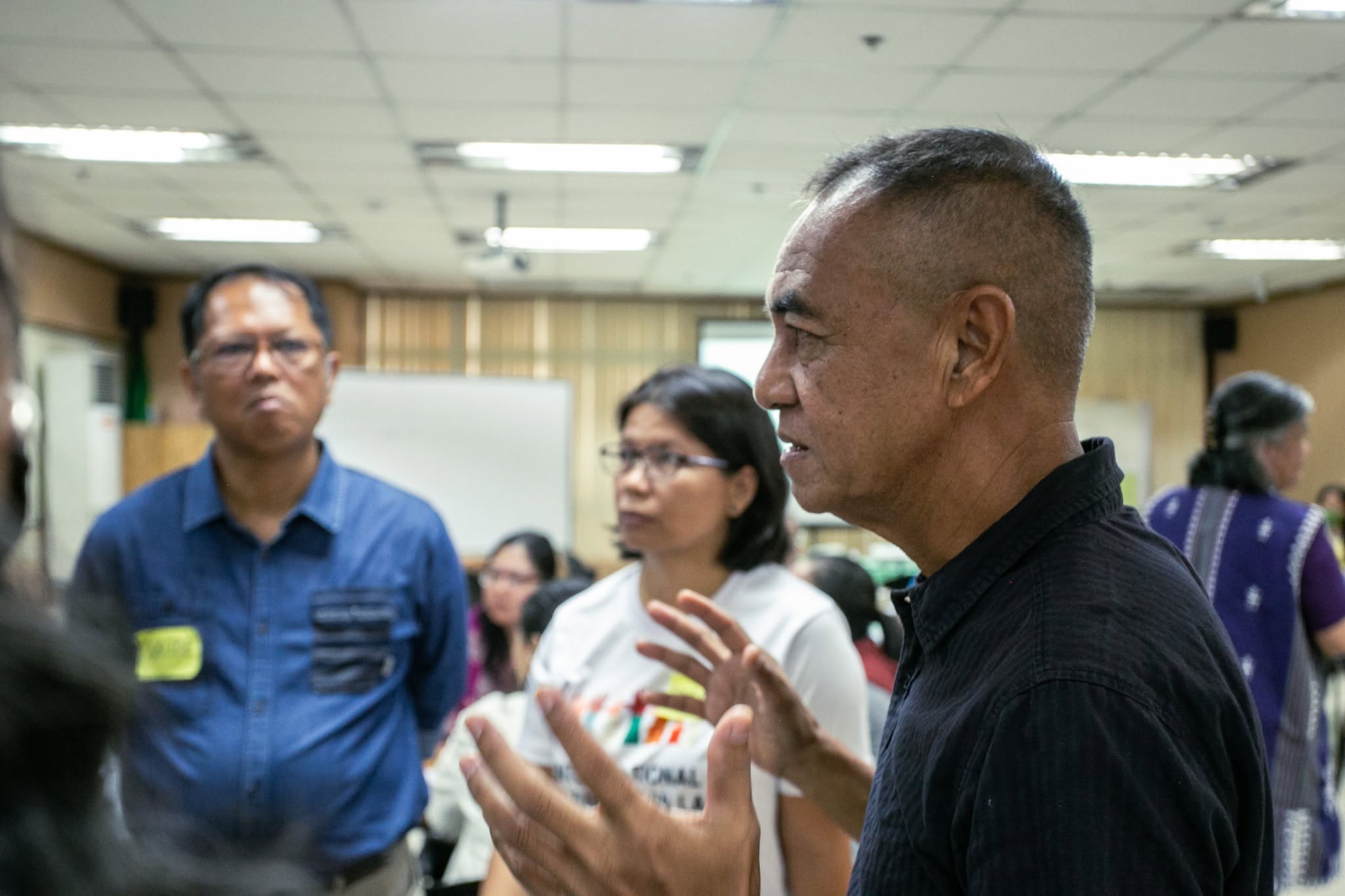
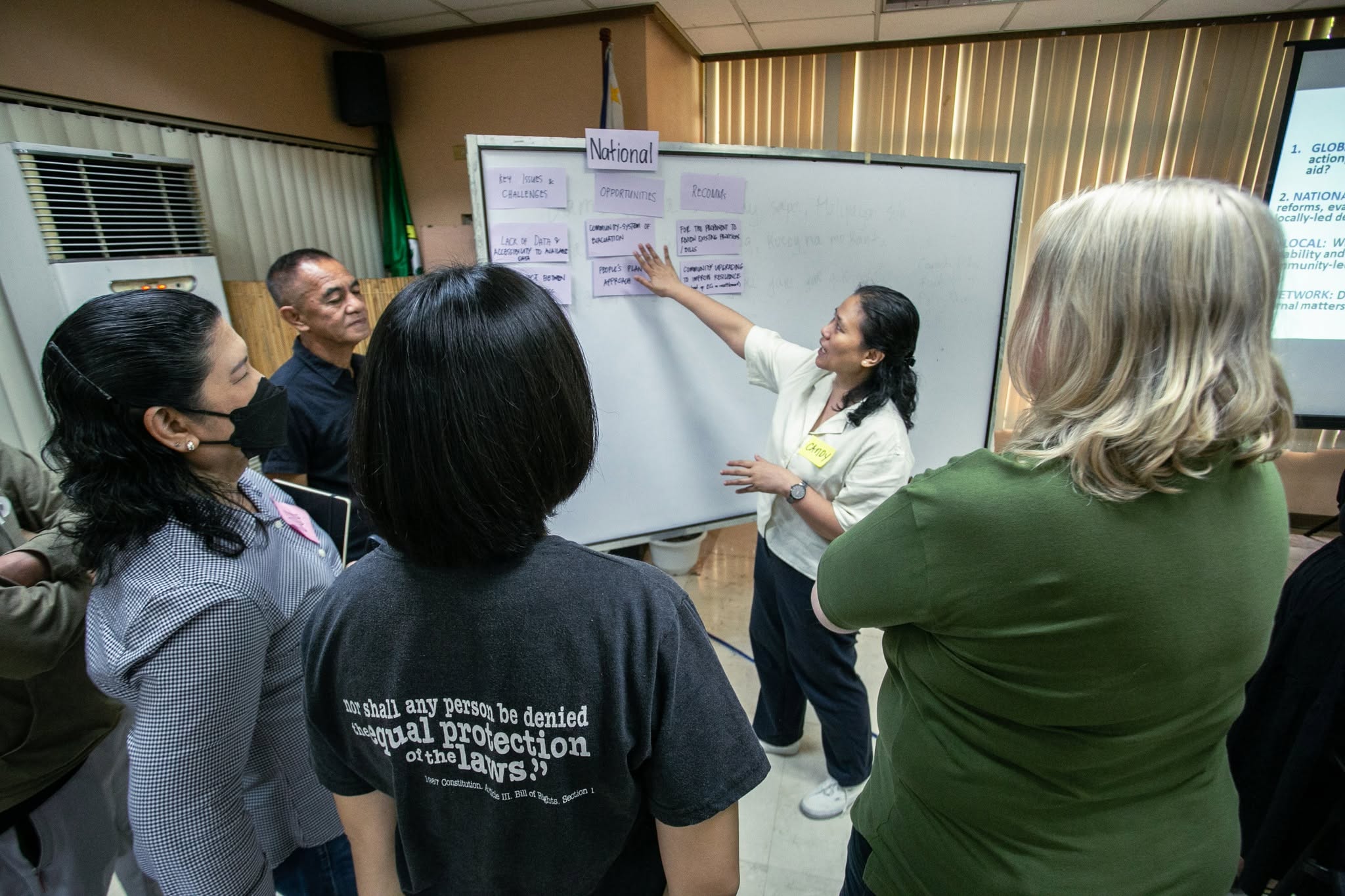
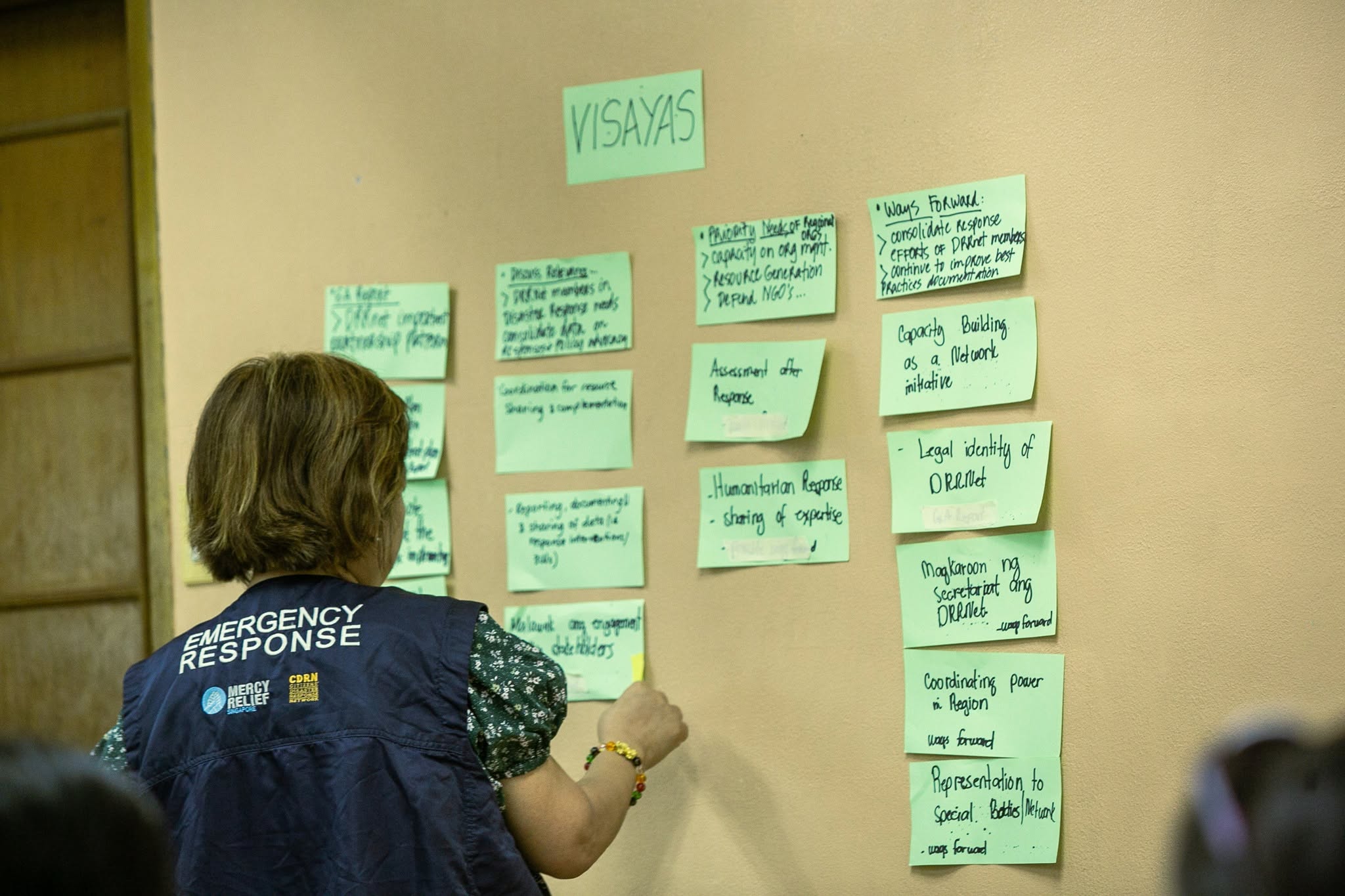
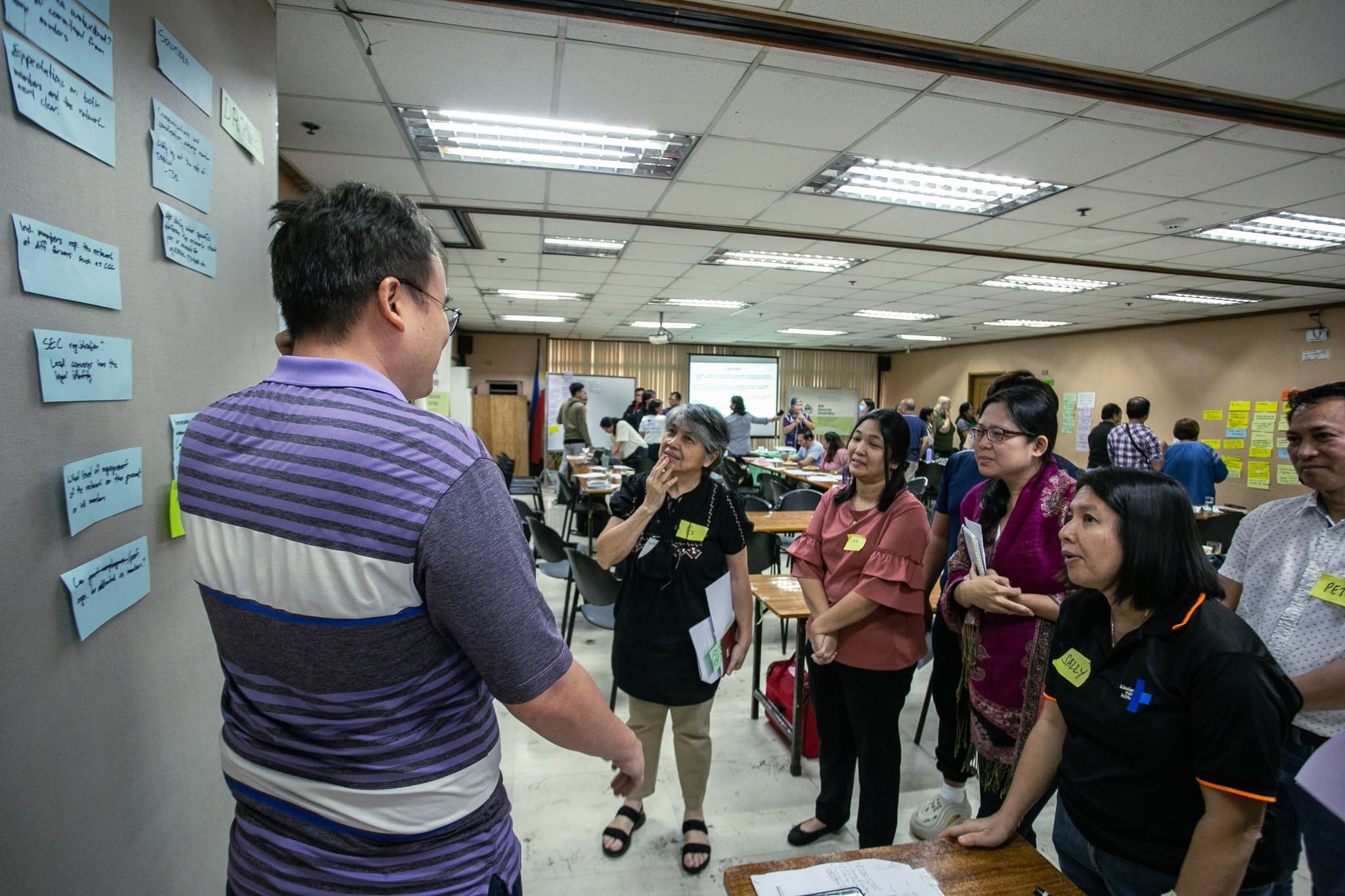
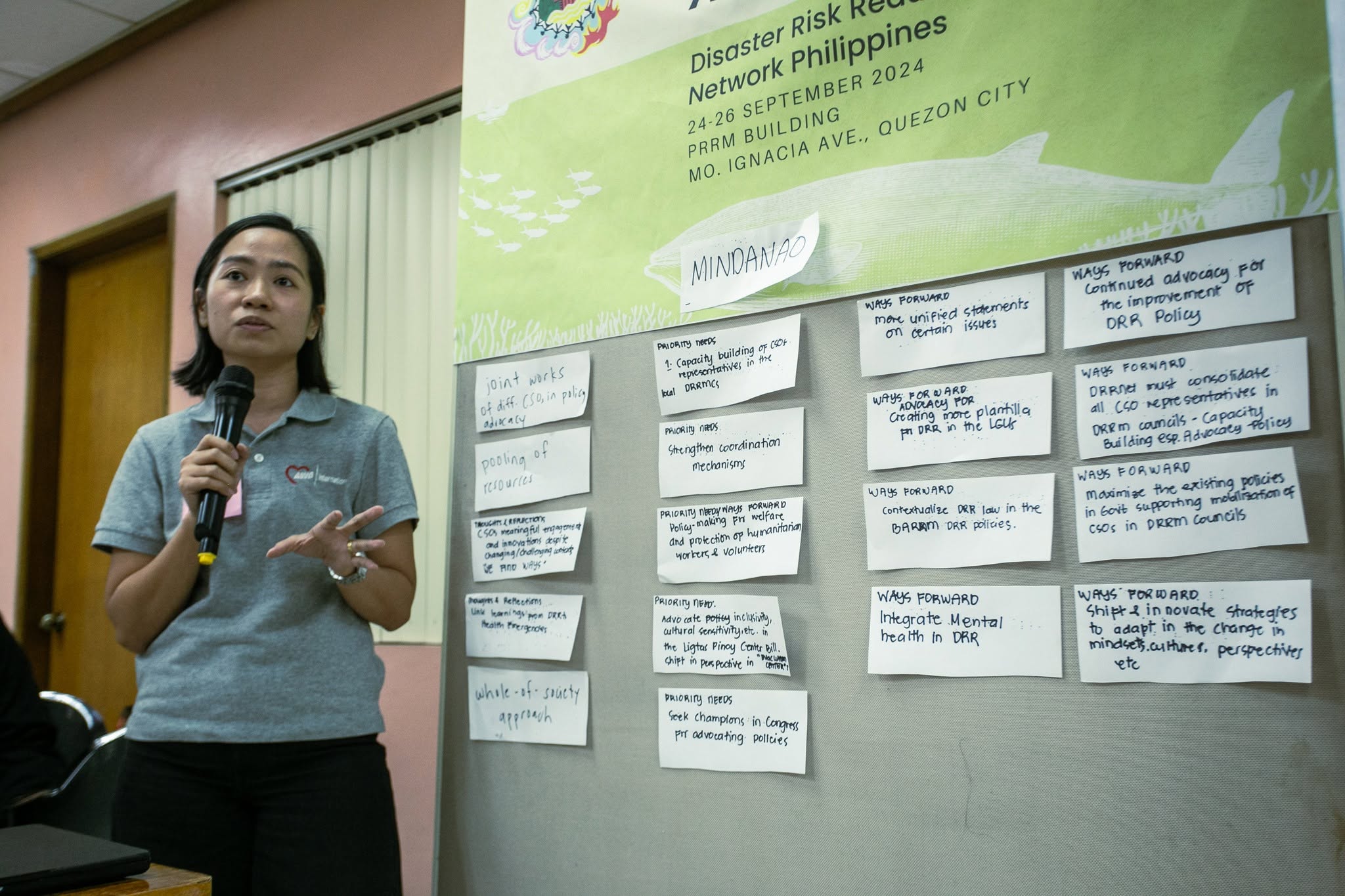
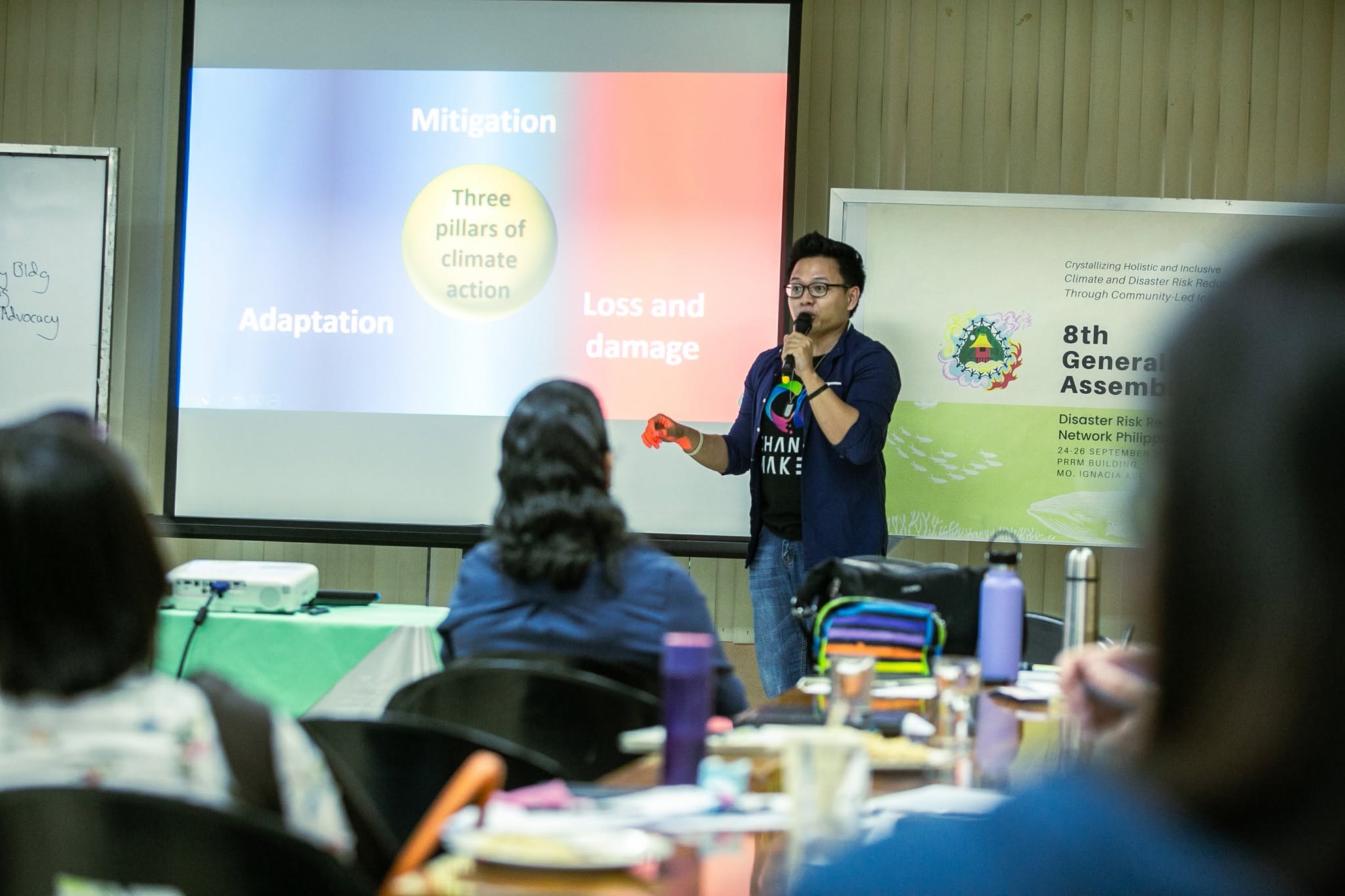
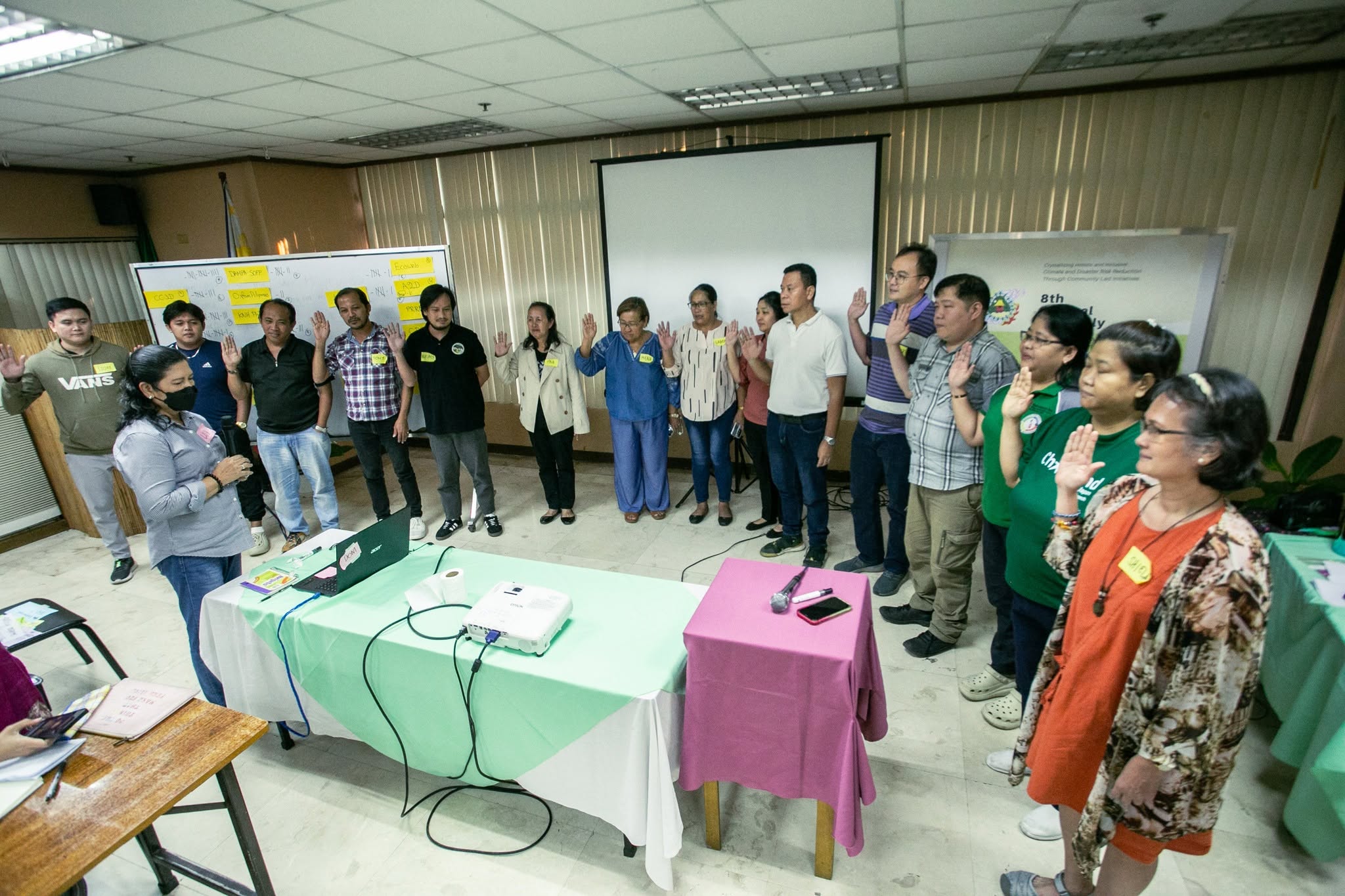
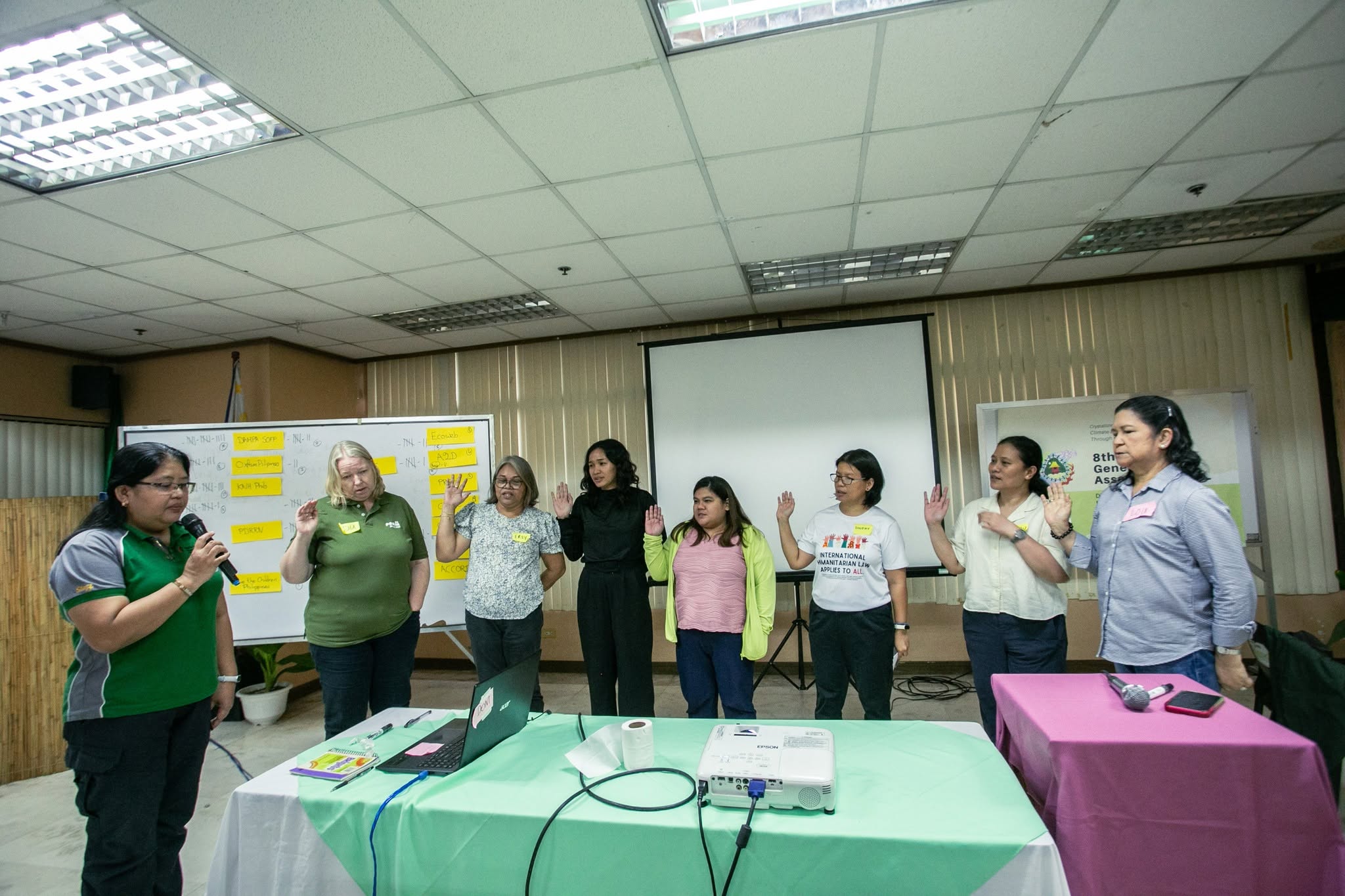

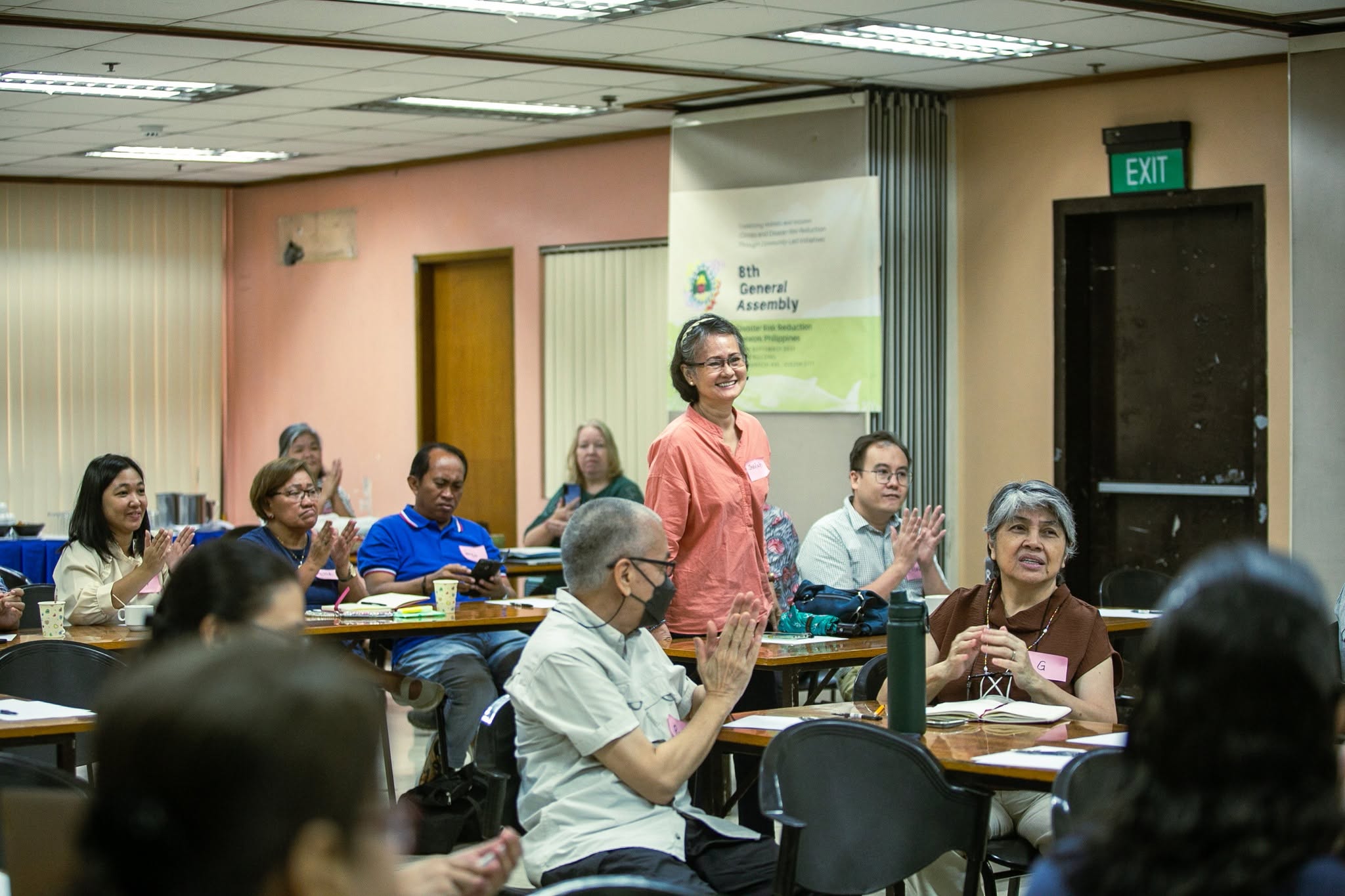
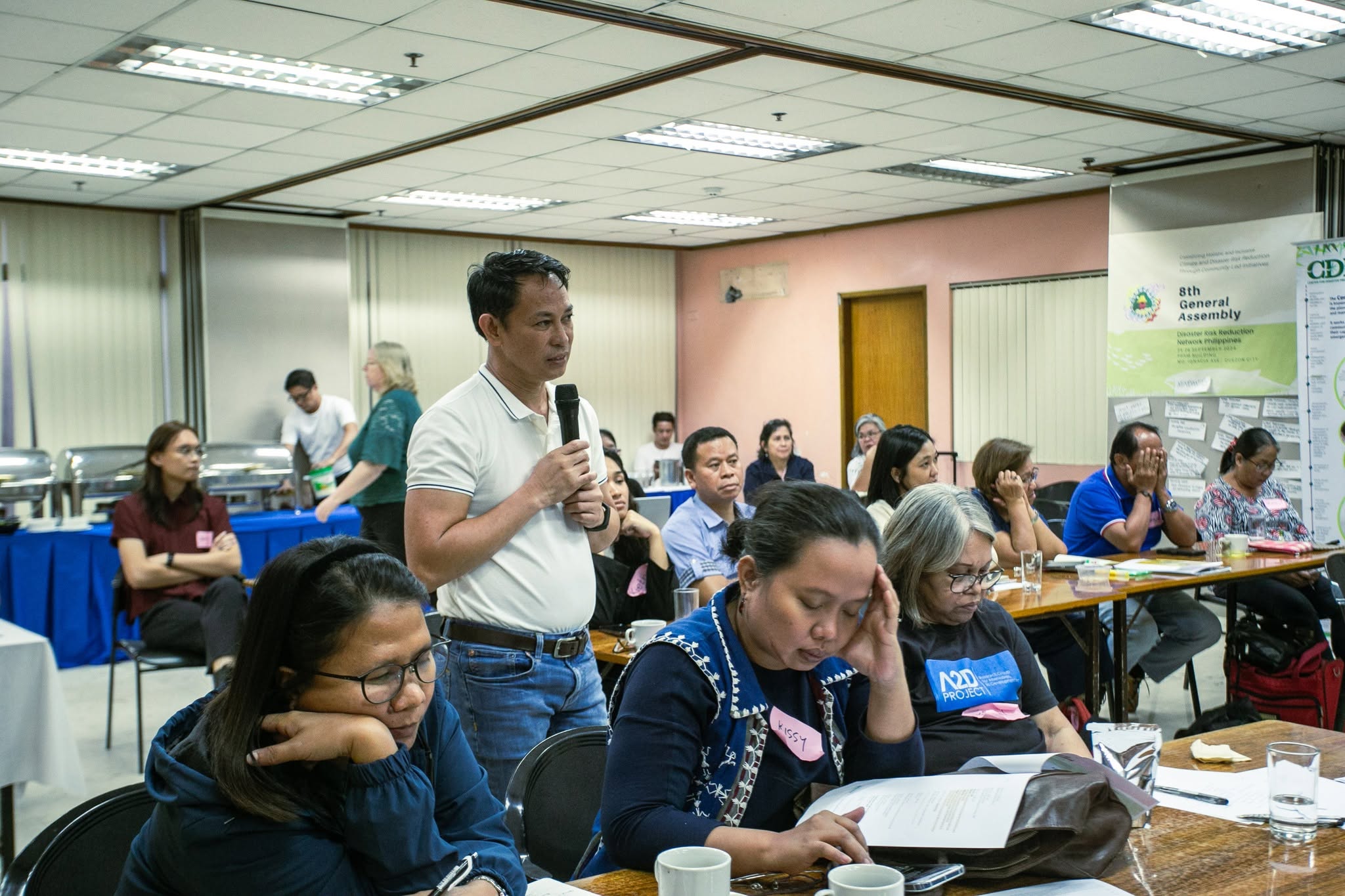
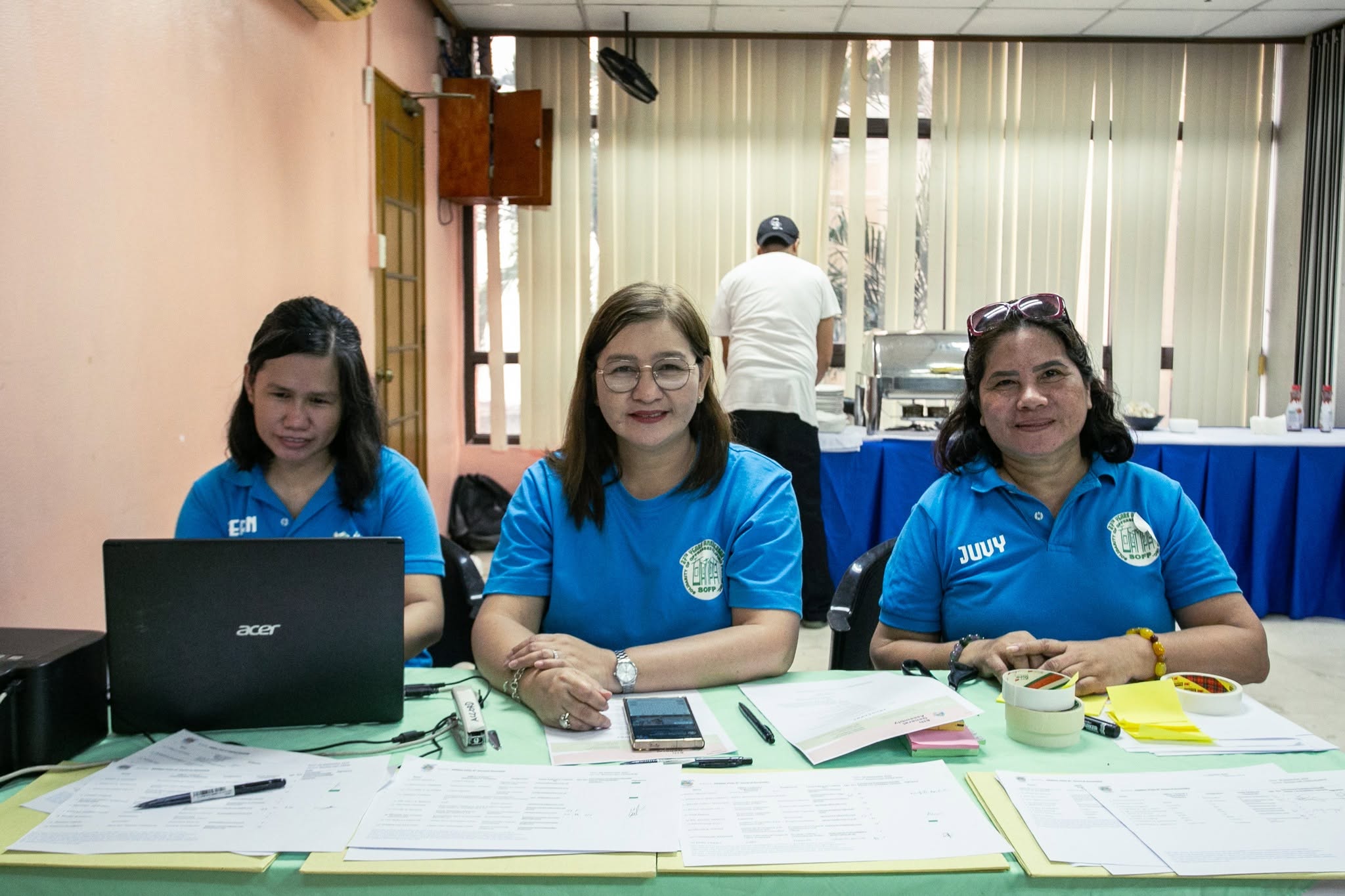
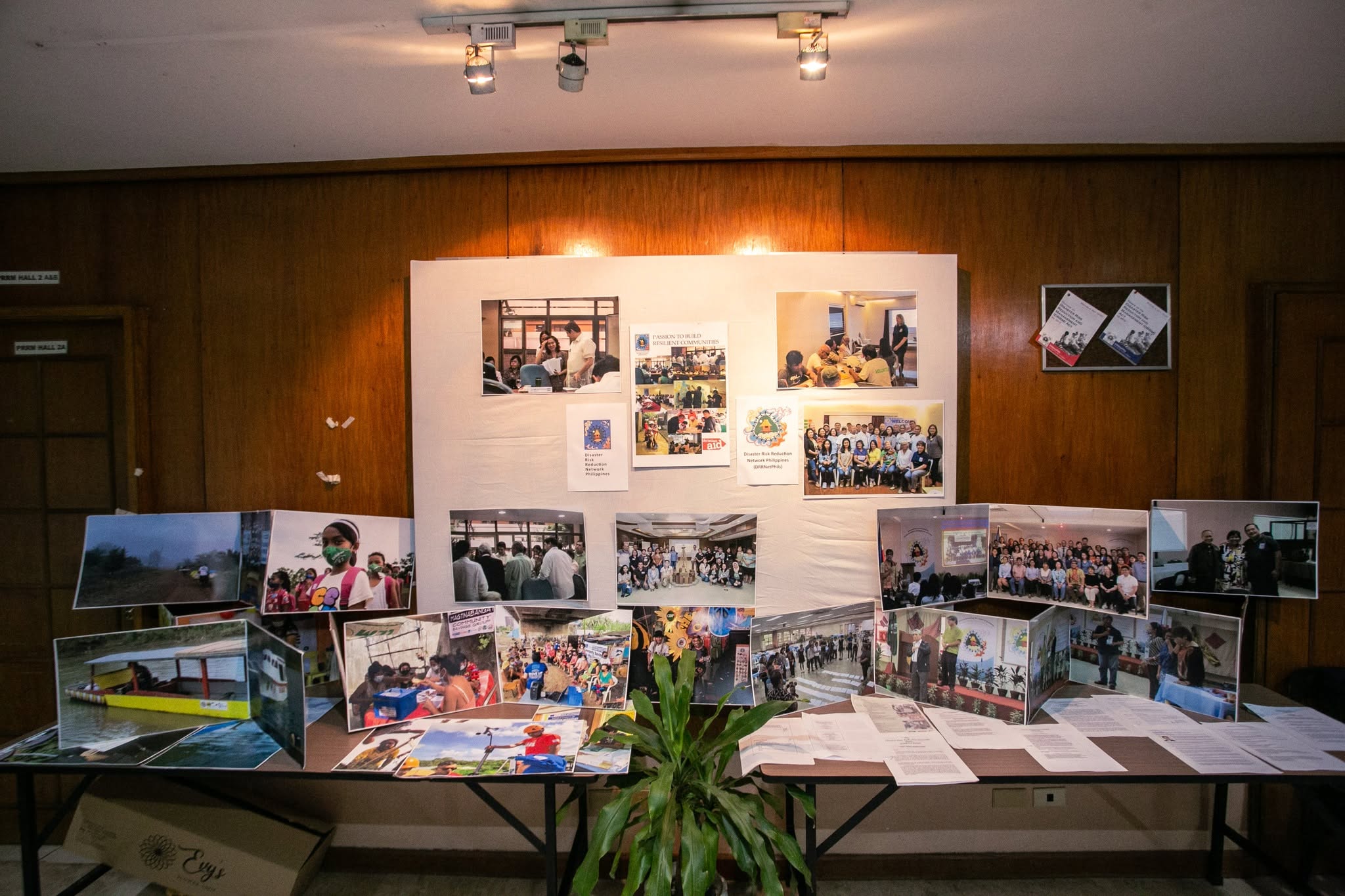
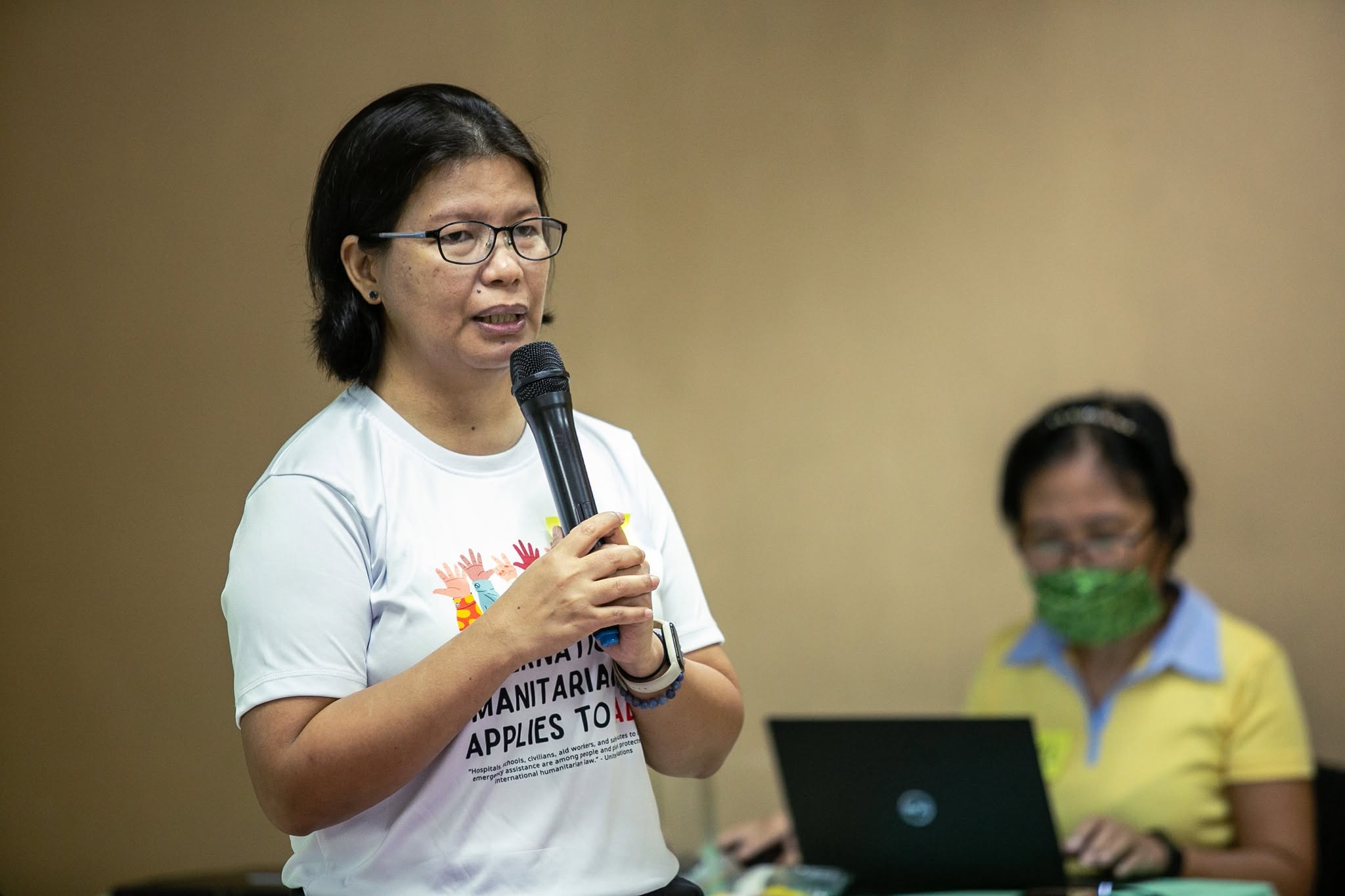
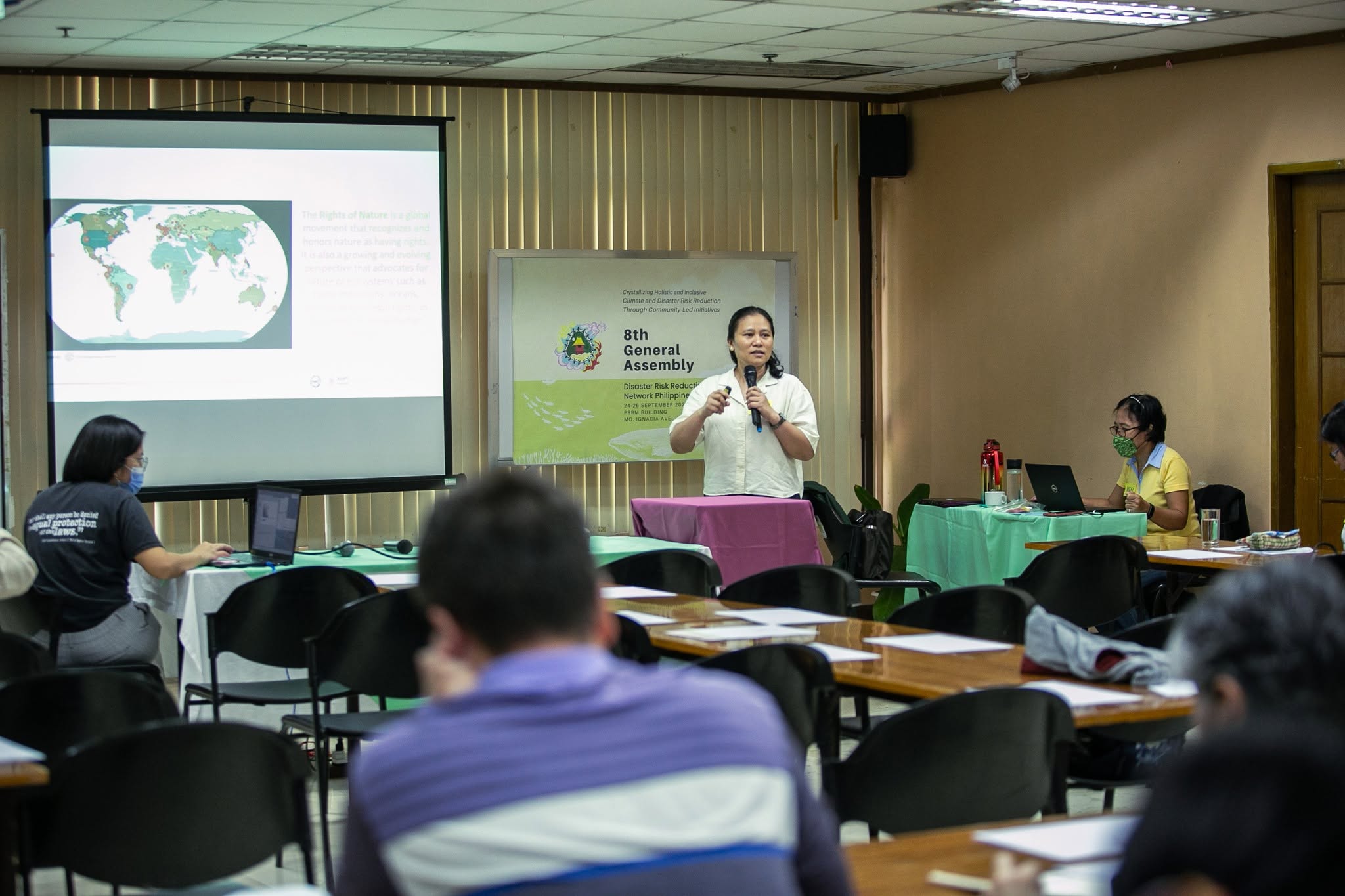

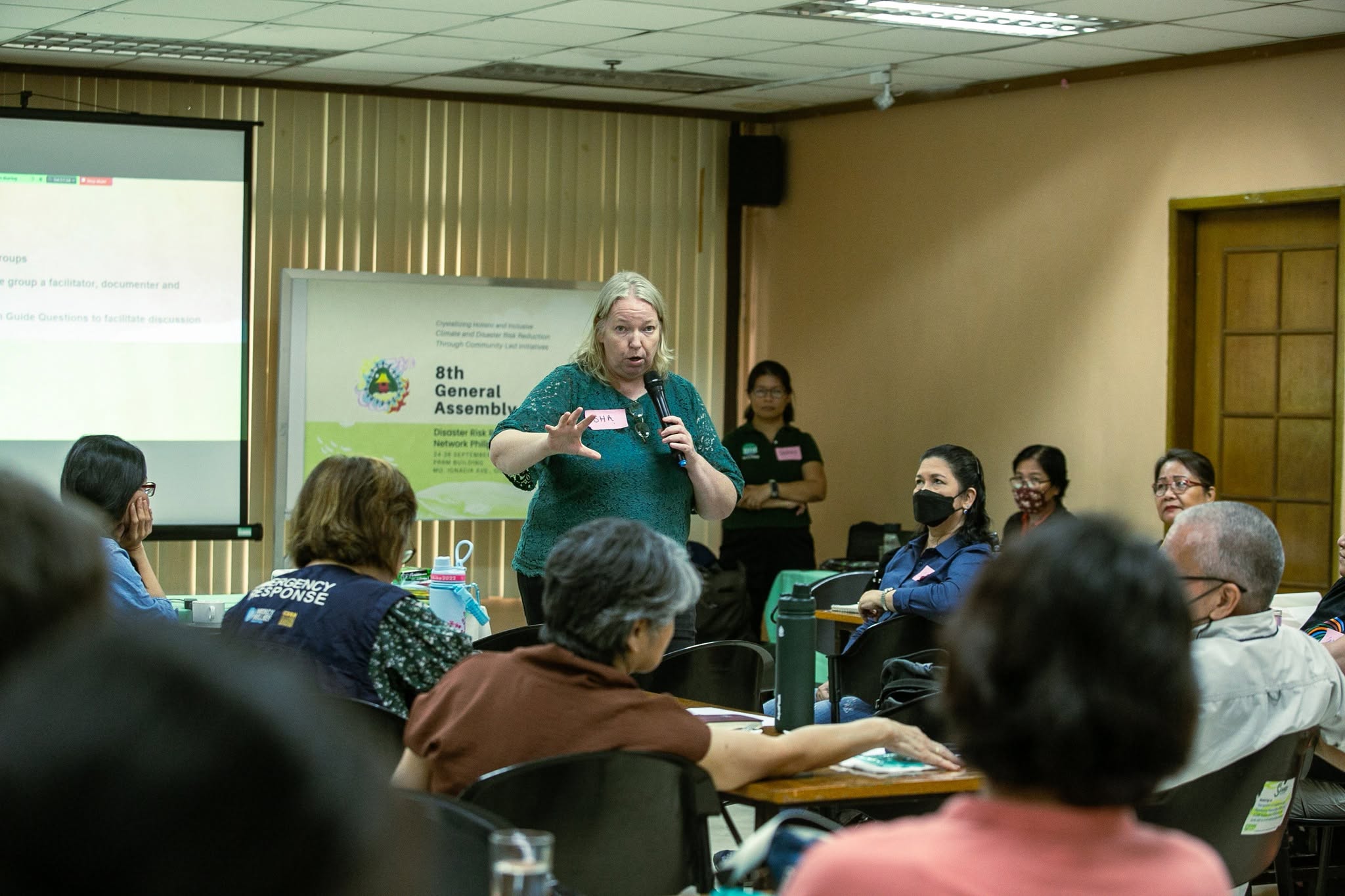
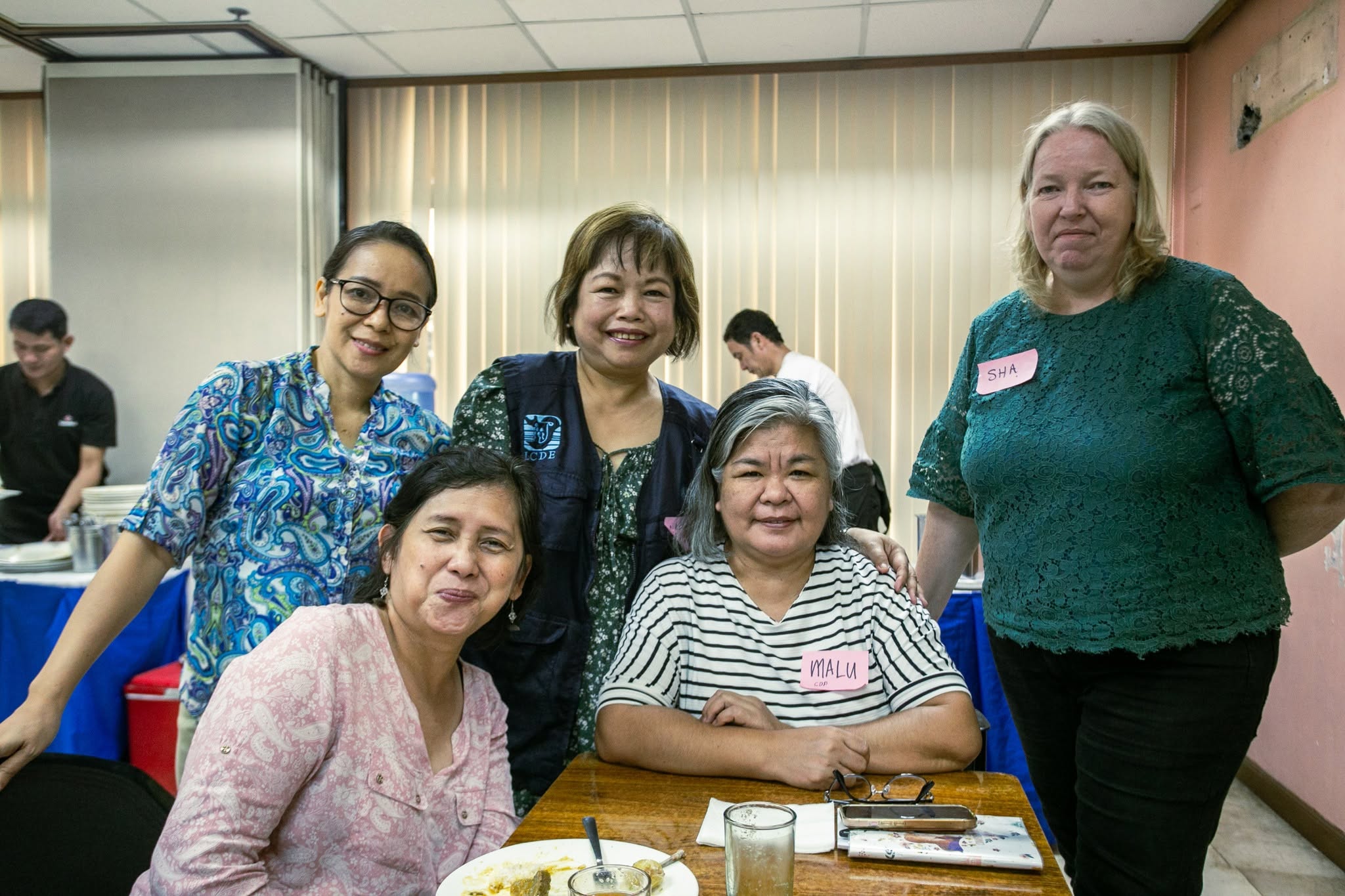
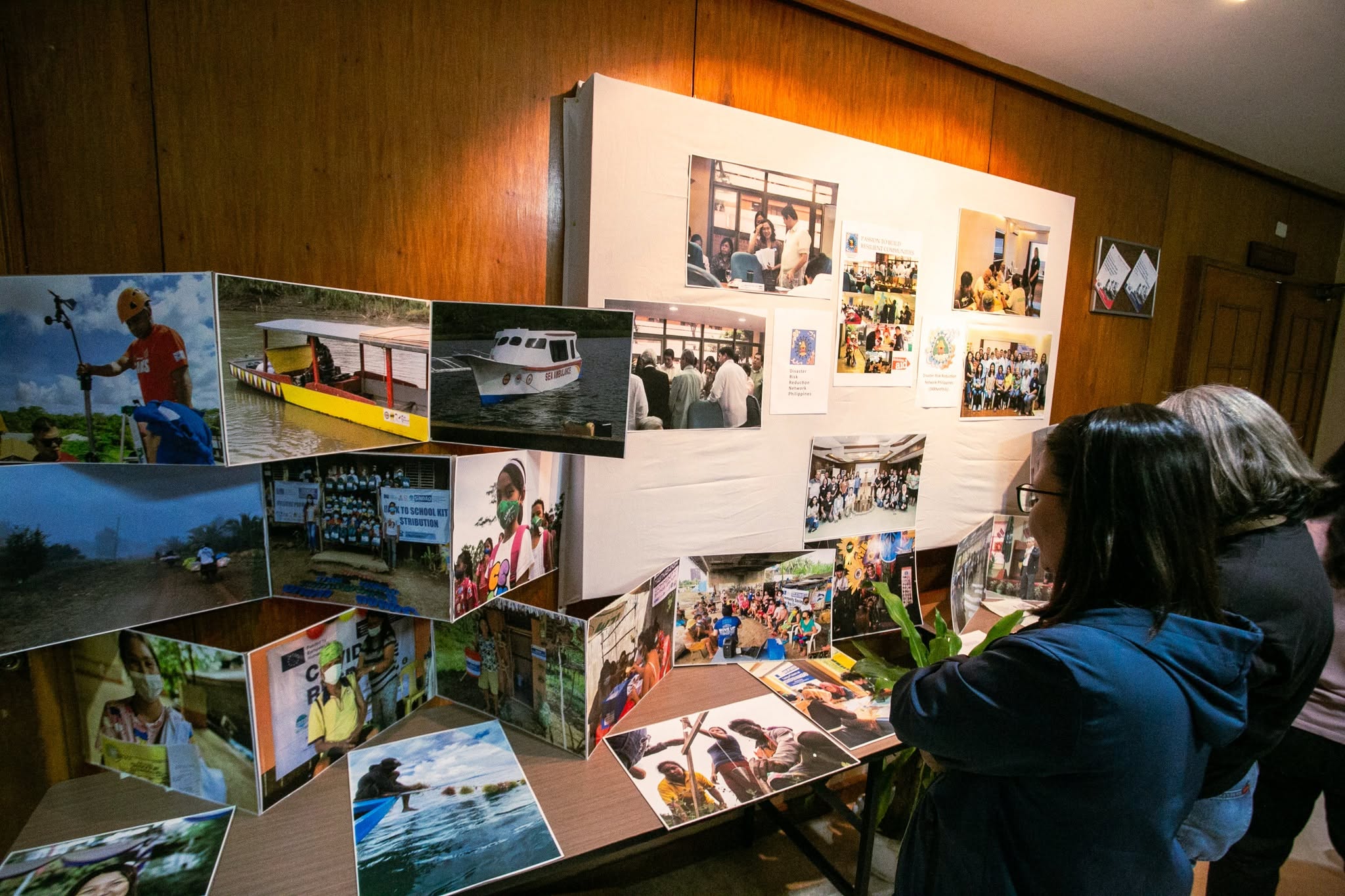
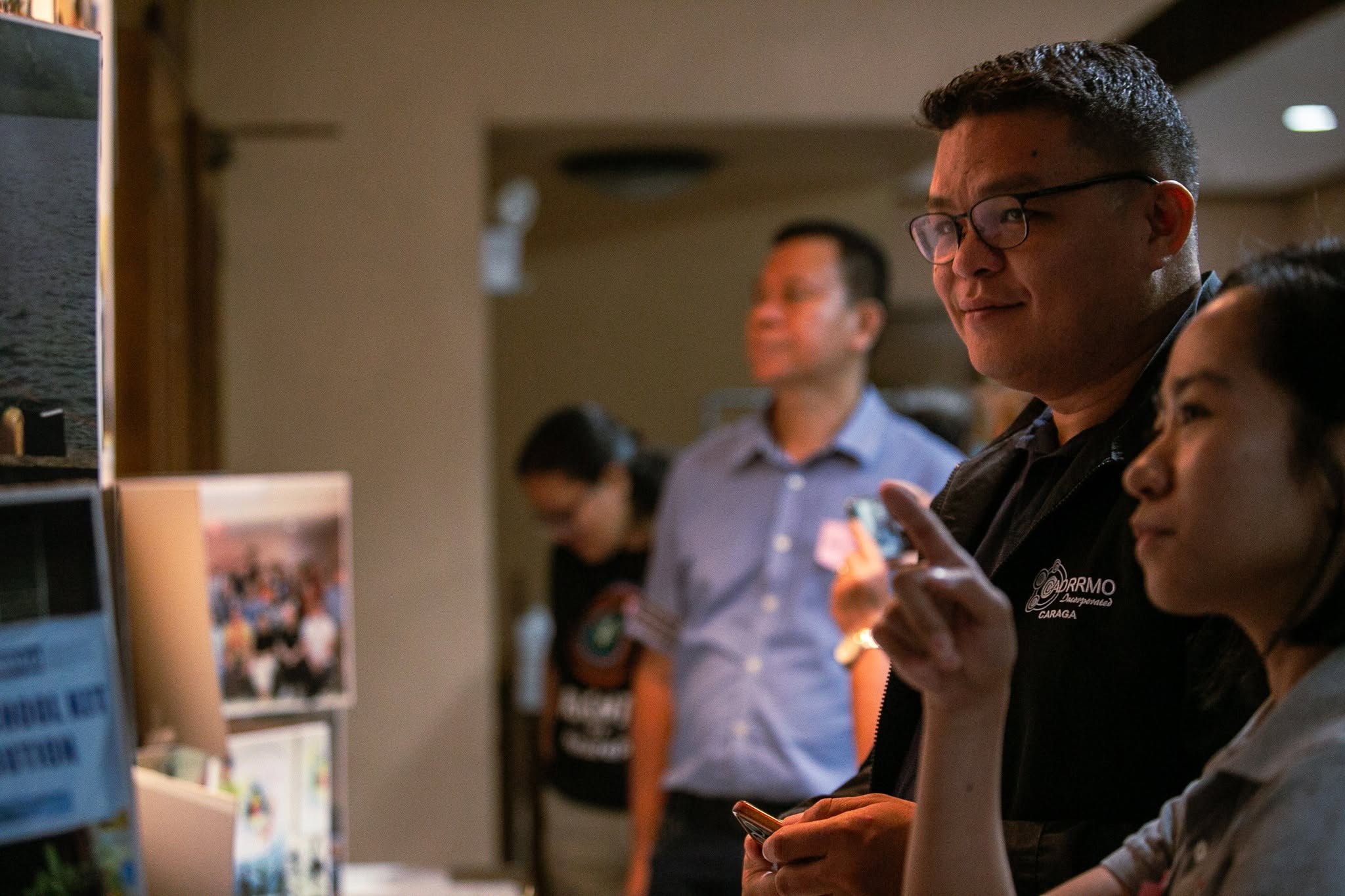
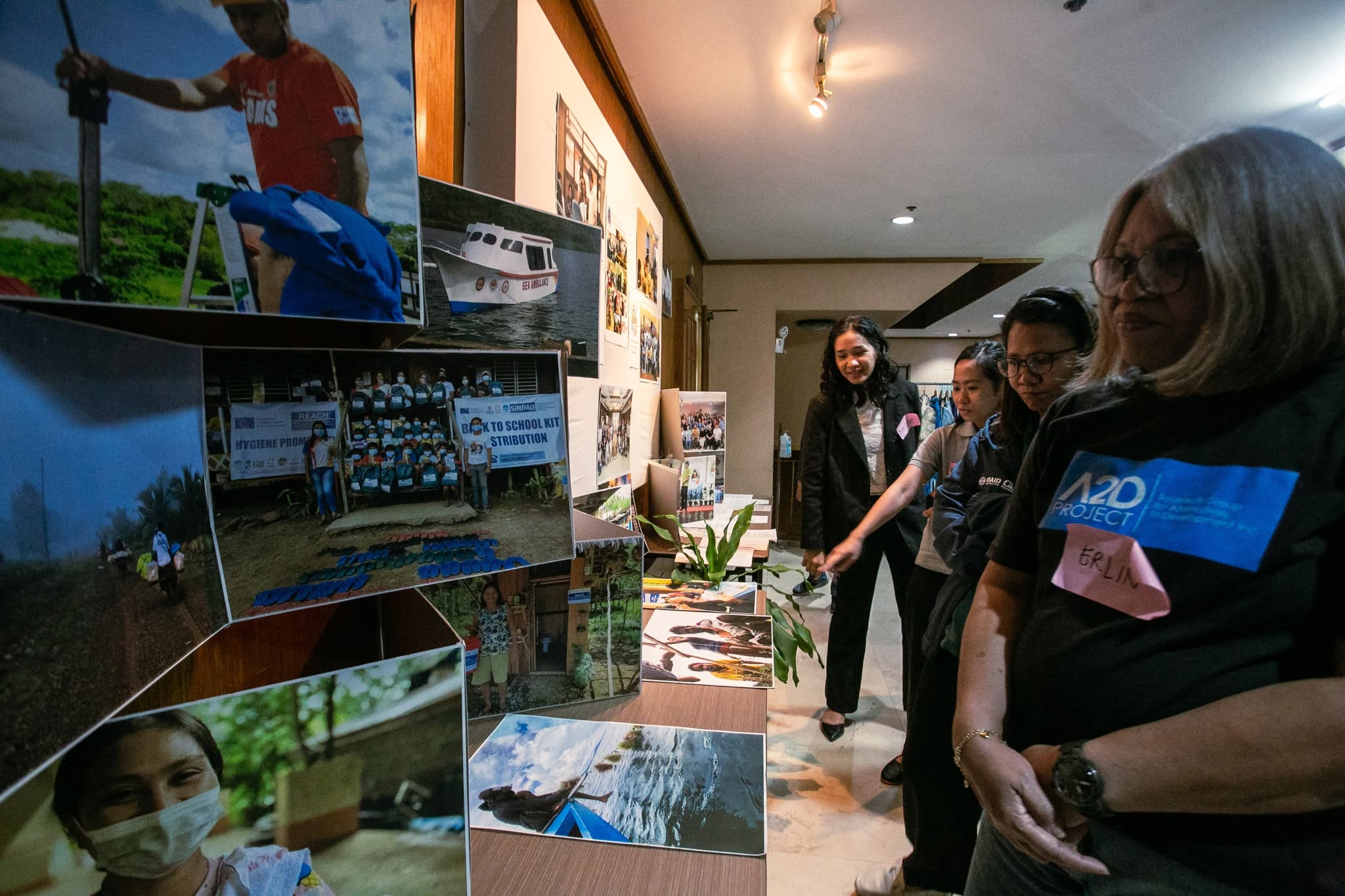
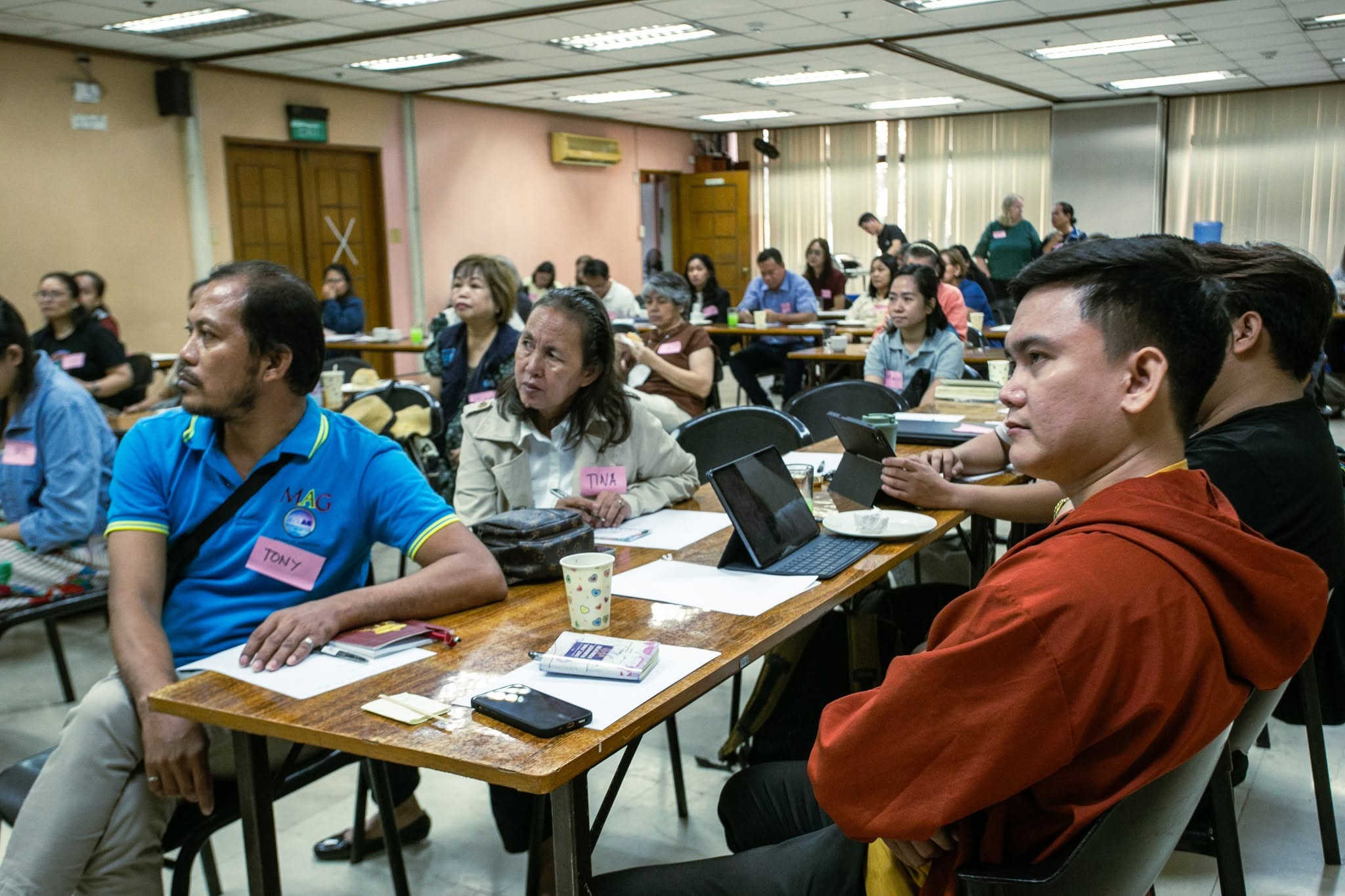
More than 60 civil society organizations, people’s organizations, and advocates convened from Sept. 24 to 26 at the Philippine Rural Reconstruction Movement building in Quezon City to mark DRRNetPhils’ 15th anniversary. The theme, “Crystallizing Holistic and Inclusive Climate and Disaster Risk Reduction through Community-Led Initiatives,” reflected a growing consensus among members that grassroots empowerment must replace top-down aid models that have long dominated disaster response in the Philippines, one of the world’s most climate-vulnerable nations.
“We are shifting power toward change,” said Dr. Sharon Taylor, assistant director of the Philippine Rural Reconstruction Movement, reflecting on the network’s 15-year journey. “That means empowering civil society organizations at both national and local levels to lead and be accountable to at-risk communities.”
Established in 2008 to advocate for a community-based disaster risk management bill, DRRNetPhils played a pivotal role in the passage of Republic Act 10121, which created the National Disaster Risk Reduction and Management Council. But members acknowledged that the law’s full implementation remains a work in progress.
Loreine B. dela Cruz, CDP Foundation Executive Director and incumbent Lead Convener, called for a renewed focus on disaster prevention and mitigation rather than preparedness alone. “We need to revisit the framework itself,” she said. “Preparedness has taken center stage for too long. Prevention and mitigation must be equally prioritized.”
The assembly’s workshops and discussions surfaced persistent challenges: weak coordination between national agencies like the Climate Change Commission and the NDRRMC, inconsistent local government capacities, and bureaucratic bottlenecks that delay disaster fund releases. Participants also raised alarms over shrinking civic space, citing red-tagging, account freezes, and baseless accusations against nongovernment organizations.
“The space for civil society is shrinking, but we will not stop,” said Sindhy Obias, executive director of ACCORD and facilitator of the assembly. “We need to regain, expand, and strengthen civic space, not merely lament its contraction.”
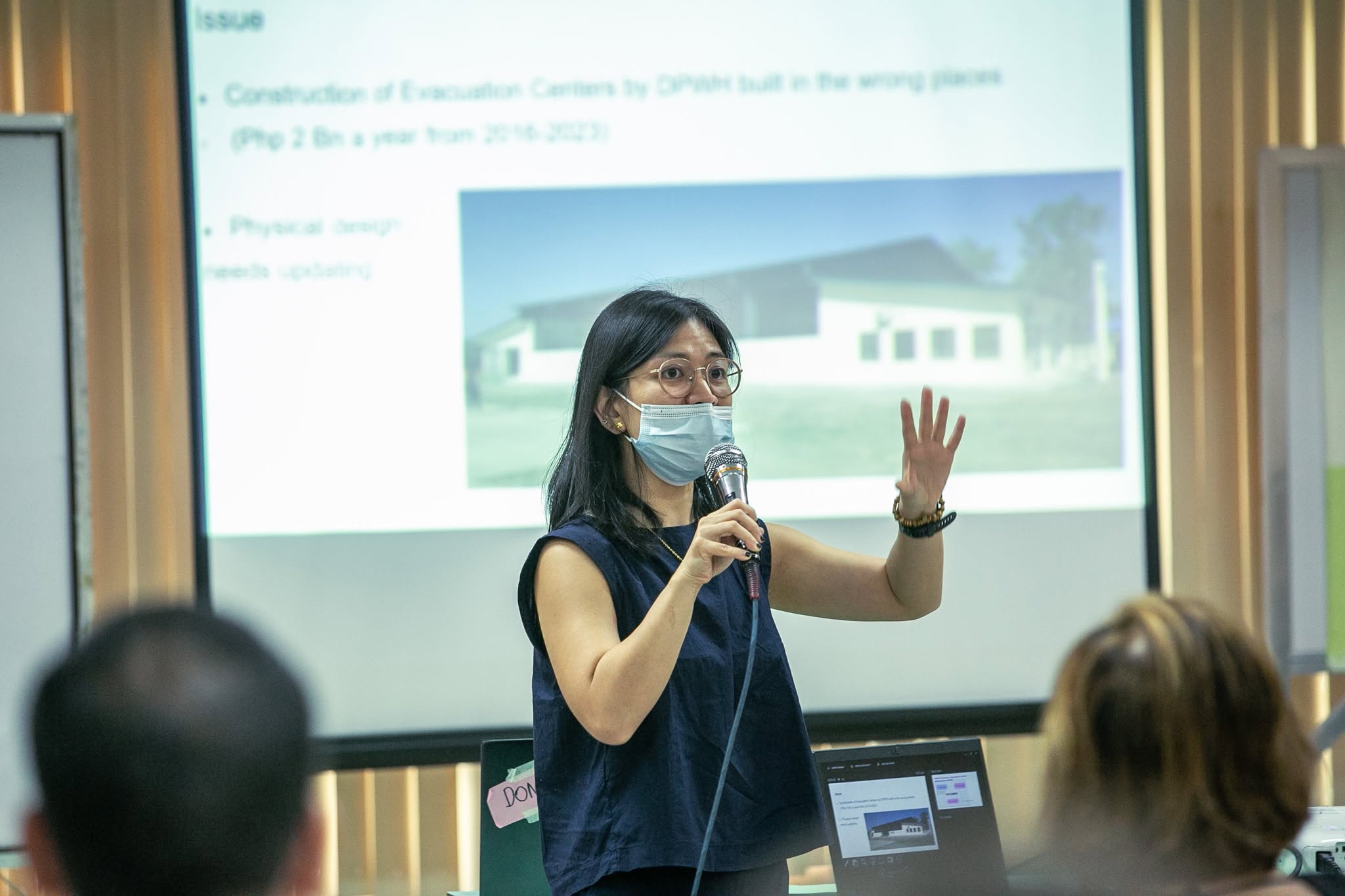
One of the most concrete policy wins discussed was Senate Bill 2415, the proposed Evacuation Center Bill, which has passed third reading. The bill prioritizes high-risk local governments for evacuation center construction with improved designs and oversight. Krish Enriquez of the Asia Foundation noted that current centers are often built based on land availability rather than need, with inadequate designs that fail to accommodate women, children, and persons with disabilities.
“The bill is a start,” Enriquez said. “But we need universal design, community-led monitoring, and climate-resilient features like solar panels and rainwater harvesting.”
The assembly also tackled the Rights of Nature movement, the Climate Charter for humanitarian organizations, and the urgent need for a loss and damage fund as the Philippines updates its Nationally Determined Contribution under the Paris Agreement. John Leo Algo, national coordinator of Aksyon Klima Pilipinas, noted that 72% of the country’s emissions reduction target depends on external financing from wealthier nations.
“That is a structural vulnerability,” Algo said. “Civil society must ensure that climate finance reaches communities, not just government ledgers.”
As the assembly concluded, members elected seven new conveners and inducted six new member organizations, including Bike Scouts Projects and Urban Poor Associates. The network set priority actions for 2024 to 2026, including legal registration with the Securities and Exchange Commission, establishment of a permanent secretariat, and sustained advocacy for local disaster fund reforms.
“The next 15 years must be about genuine community leadership,” Taylor said. “Not consultation. Not representation. Leadership.”
The assembly adjourned at 5:18 p.m. with a group photo—and a clear message that for DRRNetPhils, resilience is not a project. It is a movement.
The DRRNetPhils 8th GA was made possible with the help of Conveners and membership contributions, support from Nature Spring Foundation, and The Asia Foundation.